Autor: Hito Kata San men
-
El refuerzo positivo es una de las herramientas clave de un entrenador.
El refuerzo positivo es una de las herramientas clave de un entrenador.
Las palabras que utilizamos tienen la capacidad de transformar nuestra realidad. El lenguaje genera cambios en nuestro cerebro y modifica nuestra percepción del entorno que nos rodea. Ya en 1921, Ludwig Wittgenstein escribía: «los límites de mi lenguaje son los límites de mi mundo».
El lenguaje va vinculado a las emociones. Nuestras palabras envían constantemente mensajes a nuestro cerebro. A nivel neurológico, el uso del lenguaje positivo genera cambios en el lóbulo parietal, la parte del celebro que determina la forma en la que nos vemos a nosotros mismos. Según los estudios de los neurocientíficos Andrew Newberg y Mark Robert Waldman, las palabras negativas hacen que liberemos cortisol, la hormona del estrés. Por lo cual, adoptar una actitud negativa y usar un lenguaje basado en expresiones como no puedo, fracasoo es imposible podría debilitar la salud física y mental de una persona.
Por el contrario, estudios como el famoso Informe Monja —que demostró que las monjas que usaban en su lenguaje más términos positivos vivían hasta diez años más—, nos muestran que expresar palabras positivas y escuchar lenguaje motivador en nuestro ambiente diario favorece nuestra salud. Somos las palabras que usamos.
Actualmente, son muchas las corrientes que utilizan técnicas asociadas al cambio del lenguaje para tratar diversos trastornos psicológicos. Ejemplo de ello son las terapias cognitivo-conductuales, que demuestran que el fomento de pensamientos positivos a través del lenguaje que usa el paciente mejora su estado mental.
Esta teoría tiene como objetivo sustituir las opiniones negativas de los pacientes sobre sí mismos y sobre lo que les rodea por otras más positivas. Estas técnicas han demostrado ser un tratamiento eficaz para trastornos como la depresión —aunque también para fobias, adicciones o ansiedad—, ya que la actividad de nuestra amígdala cerebral aumenta al percibir un futuro más próspero a través de palabras positivas. En muchas ocasiones, estas terapias han resultado ser igual de eficaces que las medicinas.
Uno de los expertos actuales más reconocidos a nivel mundial, el citado neurocientífico Mark Waldman de la Universidad Loyola Marymount (Los Ángeles), asegura que el cerebro se vuelve más saludable cuando empezamos a usar «tres, cuatro o cinco expresiones positivas por cada una negativa». El lenguaje tiene una potente capacidad de cambiar nuestro mundo. Lo bueno es que, igual que un lenguaje pobre y derrotista nos influye negativamente, también funciona a la inversa.
La solución pasa por comenzar a adoptar una serie de técnicas sencillas y cotidianas, pero muy efectivas. Por ejemplo, usar todavía en lugar de un no radical. Todavía deja las puertas abiertas, plantea una esperanza, evoca una motivación. También debemos olvidarnos de los peros o, al menos, cambiarlos de lugar. No causa el mismo efecto decir: «has hecho un buen trabajo, pero me lo has entregado tarde» que «me lo has entregado tarde, pero has hecho un buen trabajo». Dejar lo malo para el final hace que el efecto negativo perdure, que ese pero anule lo anterior.
Los tiempos verbales también nos dan una gran oportunidad para cambiar nuestras emociones. Si en lugar del condicional usamos el futuro, cambiamos un escenario hipotético por uno cierto. No es lo mismo decir: “Si escribo un libro, sería sobre felicidad” que “Cuando escriba un libro será sobre felicidad”. En el condicional vive la duda, en el futuro la certeza.
Al mismo tiempo, palabras como fracaso, problema, imposible o culpa deben ser desterradas de nuestro lenguaje y sustituidas por construcciones más estimulantes como error, retoo responsabilidad. Estás últimas no solo nos empujan a crecer y nos abren más puertas, sino que además hacen que nos tratemos con más benevolencia.
Además, cambiar los ¿Y si…? negativos por los ¿Y si…?positivos hace que entrenemos nuestra valentía y que pasemos de pensamientos que nos hunden a otros que nos impulsan. Dicho de otra forma, tenemos que dejar de ponernos siempre en lo peor. La precaución es necesaria, pero distingamos entre la advertencia y la parálisis. Los que triunfan no emplean un lenguaje decaído, sino que expresan un mensaje positivo, fuerte y convincente.
Las palabras no son inocuas: contienen la energía de su significado. Cambiando tu lenguaje mejorarás tu imagen frente al resto, pues es nuestro vehículo para llegar al otro. Con tus palabras influyes emocionalmente en los demás; con un vocabulario estimulante, mejoras el ambiente que se crea a tu alrededor.
María Fernández es fundadora de Coaching & Media y autora de El pequeño libro que hará grande tu vida.
-
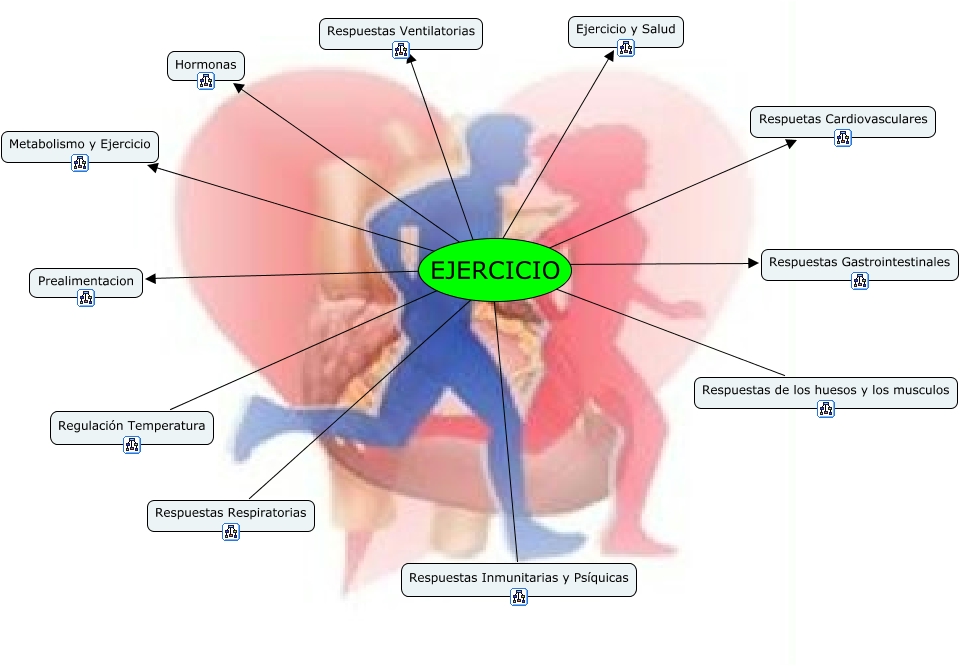
Respuesta metabólica al ejercicio
Este estudio lo he realizado porque considero que es de vital importancia el conocimiento, por parte de todos aquellos que, de alguna manera u otra, trabajamos o estamos relacionados con la educación física y el deporte (maestros, licenciados, entrenadores…), de los efectos de la realización de la actividad física en el organismo humano (a nivel fisiológico).
No podremos ser buenos profesionales si desconocemos las consecuencias de nuestra labor profesional en aquellos/as con los que trabajamos. Actualmente en mi quehacer diario y particularmente en las relaciones con otros técnicos detecto un gran desconocimiento del por qué de nuestra actuación formativa (en particular en el ámbito deportivo). La gran mayoría realizan sesiones de entrenamiento (con una estructura que en muchos casos está desorganizada o sin unos objetivos claros) de un cierto modo sólo porque así se lo impartieron en los diferentes cursos deportivos (necesarios para la obtención del título de monitor, preparador…): preguntémosles por qué antes de la parte principal de la sesión realizamos un calentamiento y veremos que muchos de nuestros compañeros no conocerán la respuesta, o bien pregunten por qué realizamos el entrenamiento en velocidad al principio y no al final de la sesión… verán que muchas de estas preguntas no encontrarán respuesta en algunos compañeros. Debemos tener claro que el mayor afectado por este desconocimiento será el deportista cuya salud se encuentra en nuestras manos y, como opino que es común el deseo de que nuestros deportistas obtengan un buen estado de salud, considero que este trabajo tiene una gran relevancia a tal efecto ya que con su lectura quizás encontremos respuestas a algunas de esas preguntas y puede que incluso nos ayude a entender mejor cómo funciona nuestro cuerpo y las causas de ese funcionamiento.
Importancia del metabolismo en el ejercicio
El metabolismo es muy importante en el ejercicio porque es el responsable último de que podamos realizar dicho ejercicio. El tener un buen metabolismo es requisito indispensable para un buen aprovechamiento de nuestras capacidades en la realización de cualquier ejercicio físico.
El metabolismo se refiere a todas aquellas sustancias que es necesario poseer o producir para la realización de un ejercicio, tales como las sustancias energéticas (ATP), sustancias producidas durante el ejercicio y que son parte de las reacciones metabólicas (fosfato de creatina, ácido láctico…) y otras sustancias como hormonas (Adrenalina, Noradrenalina…) o combustibles de reserva (glucógeno, azúcar sanguíneo, reservas de ácidos grasos).
Debemos darnos cuenta de que todas las reacciones que a continuación detallamos no pueden entenderse así, como reacciones independientes (aunque es así como se estudian para poder diferenciarlas, clasificarlas y para un mejor entendimiento de las mismas) sino que todas las reacciones forman parte de un todo. Todas se dan al mismo tiempo o son provocadas unas por otras de modo que se forma una cadena cíclica que persigue un mismo fin, el mejor funcionamiento del organismo humano. Además debemos comprender la importancia de las reacciones metabólicas en el ejercicio ya que sin ellas no podría producirse tal ejercicio (por ejemplo: sin ATP no hay movimiento del músculo esquelético…).
Vamos a hacer un repaso a grosso modo de todo lo que ocurre en el organismo humano cuando realizamos un ejercicio. No vamos a especificar las variaciones que se producen en estas respuestas según aspectos más particulares del ejercicio como son temperatura ambiente, humedad del aire, ejercicio realizado en altura o en profundidad, edad o sexo del sujeto, etc, debido a que esos campos no corresponden a este trabajo y además podría elaborar un manual si tuviera que exponer todas estas variaciones. A pesar de ser un trabajo muy superficial me parecen suficientes los efectos al ejercicio que enumero en el mismo.
Efectos del calentamiento en el organismo humano
- Intensificación de la circulación sanguínea: que viene dada por 3 factores:
- Aumento de la frecuencia cardíaca (fc): Se da una estimulación debido a la excitación de la Adrenalina.
- Aumento de la presión sanguínea: Las glándulas suprarrenales producen Adrenalina y Noradrenalina. La Noradrenalina produce una vasoconstricción periférica (vasos sanguíneos cutáneos disminuyen su diámetro y así los músculos reciben más sangre). Debido a este aumento de la sangre en el músculo, aumento de la frecuencia cardíaca y aumento de la resistencia periférica, se da un aumento de la presión sanguínea (se dilatan las arterias que dan sangre al músculo para compensar este aumento de presión).
- Aumento del volumen sanguíneo en circulación: Este permite llevar más sustratos y O2 hacia los músculos y eliminar los desechos. Así se evita una hiperacidosis del músculo (descenso del pH) que puede alterar su actividad, desnaturalizando las células.
-
Aumento de la frecuencia y amplitud de la respiración:
Cuando el organismo alcanza una temperatura media de 38’5-39 ºC, el equivalente respiratorio (relación entre ventilación y consumo de O2: VE/VO2) es más favorable y se consigue el consumo máximo de O2. El ajuste respiratorio acusa un retraso al inicio del ejercicio. Después, la ventilación alcanza un estado estable. Lo que pretende el calentamiento es llegar antes a este estado estable («steady state»), por medio de un aumento del volumen de la ventilación.
NOTA: El «dolor de costado» se da por una subalimentación de O2 del diafragma (el cual juega un papel importante en la respiración abdominal) lo que provoca una acidosis local elevada,esta produce el «dolor de costado».
-
Reducción de la viscosidad muscular:
Unos 15-20 minutos de carrera lenta eleva la temperatura corporal a 38´5 ºC aproximadamente. Esta temperatura es la necesaria para reducir la viscosidad del músculo (el roce de las fibras musculares entre sí) y aumenta la elasticidad, lo que tiene como resultado un mejor rendimiento y evita posibles lesiones.
-
Mejora de la alimentación de E (energía) y de O2:
La elevación de la temperatura implica una disociación más rápida del O2 fijado en la sangre por la hemoglobina. La mejora de la alimentación de substratos energéticos (glucosa, aminoácidos -aa- y ácidos grasos) se da por un aumento de la degradación selectiva en el músculo de fuentes de energía y por el aumento de la irrigación sanguínea en los músculos.
-
Aumento de la temperatura corporal:
Es debido a las reacciones metabólicas que se dan en el organismo. Las reacciones químicas que se dan en el organismo liberan energía que aumenta la temperatura. Este aumento en exceso puede ser perjudicial porque puede desnaturalizar las células. El cuerpo humano dispone de varios mecanismos para liberarse de esta excesiva temperatura: sudoración…
-
Mejora de procesos neuromusculares:
La reducción de la viscosidad mejora la cooperación neuromuscular y la coordinación motriz lo que reduce las necesidades de substratos energéticos y la fatiga. Conjuntamente a la reducción de viscosidad se da el aumento de la temperatura, lo que provoca una aumento de la velocidad del sistema nervioso y mejora la sensibilidad de los receptores propioceptivos.
-
Aumento del estado de vigilia:
El calentamiento provoca una predisposición psíquica al ejercicio que mantiene un estado de vigilia y mejora la atención.
- Distensión de tendones y ligamentos.
- Liberación de Glucosa por la circulación.
- Aumento del volumen sistólico.
Efectos generales del entrenamiento
Sistema Circulatorio:
- Corazón más grande: La cavidad es más amplia y el miocardio tiene más fuerza, por lo tanto ésto le permite latir con menor esfuerzo y frecuencia a la vez que envía más sangre en cada sístole.
- Más capilares funcionando: Pueden aumentar hasta en un 42 %.
- Mejor conducción sanguínea: Porque aumenta la elasticidad sanguínea.
- Más y mejor constitución de la sangre: Aumenta el número de glóbulos rojos (5 millones o más), más hemoglobina (16-17 mg/cm3),…
- Mejor equilibrio del pH: El pH se encarga de neutralizar los ácidos del organismo.
- Menos grasa y sustancias lipoides en la sangre.
- Mejor perfusión sanguínea a nivel capilar.
Sistema Nervioso:
-
Mayor velocidad y eficacia del SNC para:
a) Recibir una percepción
b) Proyectar el acto motor
c) Dar ordenes (impulsos nerviosos) a los músculos.
-
Mejor influencia del parasimpático en:
a) Corazón y circulación
b) Respiración
c) Sistema endocrino
d) Metabolismo
e) Sistema excretor
f) Sueño más rápido y profundo.
Sistema muscular-articular:
- Mejor alimentación de la fibra muscular: Con lo que aumenta el grosor y la masa muscular.
- Fortalecimiento de tendones, ligamentos y membranas musculares: Sarcolema, perimisio y epimisio.
- Aumenta la cantidad de: Fosfato de Creatina, Glucógeno, Calcio (Ca), Potasio (K), Magnesio (Mg), y se dan modificaciones en la cronaxia (excitabilidad) debido al aumento de la masa muscular.
Sistema endocrino:
- Hígado alcanza una mejor capacidad de destrucción de productos de deshecho.
-
Aumentan las secreciones (hormonales) de las glándulas relacionadas con el ejercicio:
suprarrenales, páncreas… —> Más producción de Testosterona, Adrenalina, Glucagón, Catecolaminas, hormonas tiroideas, insulina… —> Mejor síntesis y depósito de Glucógeno en hígado, aumento de captación de aminoácidos… —> Se eleva el metabolismo.
Metabolismo:
- Mejor producción de ATP: Y en mayor cantidad, por tanto.
- Mejor producción de Fosfato de Creatina: Y en mayor cantidad.
- Aumento de combustibles de reserva: Glucógeno, azúcar sanguíneo, reservas de ácidos grasos.
-
Mejor síntesis del ácido láctico (glucolisis): El sobreentrenamiento da una peor síntesis del ácido láctico lo que puede producir fatiga crónica que se manifiesta en:
1) Simple agotamiento
2) Astemia (pérdida del tono muscular)
3) Derrumbamiento total y agudo.
- Adquisición de nuevas estructuras productoras de sangre: Mejor aprovechamiento de O2 y retirada de CO2.
Efectos del entrenamiento aeróbico y anaeróbico
Cambios del sistema aeróbico: (resistencia)
- Mayor capacidad de las mitocondrias del músculo esquelético para generar ATP: Mediante fosforilación oxidativa.
- Aumento de la cantidad y el tamaño de las mitocondrias.
- Aumenta la capacidad del músculo para movilizar y oxidar grasas.
- Aumenta la capacidad para oxidar carbohidratos.
- Adaptación de la fibra muscular al tipo de ejercicio: Las fibras no cambian (de rojas a blancas o viceversa) sino que el músculo desarrolla su potencial ya existente, es decir, desarrolla fibras ya existentes aunque no desarrolladas hasta ahora.
- Aumento del peso magro corporal.
- Disminución de la presión sistólica y diastólica.
- Puede haber hipertrofia selectiva de diversas fibras: Debido a una sobrecarga.
- Aumento de la mioglobina en el músculo esquelético: Puede haber un aumento de hasta un 80 % en los animales, actualmente se está investigando si este aumento se da también en el organismo humano. Este aumento de mioglobina conlleva un aumento de O2 en la célula.
Cambios del sistema anaeróbico: (velocidad y potencia)
- Aumento de substratos anaeróbicos (en estado de reposo): Mejora de la fuerza en un 28 %, aumento del ATP, PC, Creatina libre, Glucógeno.
- Disminución del peso y grasa corporal.
- Aumento de la cantidad y actividad de enzimas: claves para controlar la fase anaeróbica de la degradación de la Glucosa (en fibras musculares de contracción rápida).
- Aumento de la tolerancia al ácido láctico: Se cree que esto es debido al aumento de los niveles de Glucógeno y de enzimas glucolíticos.
Efectos del entrenamiento específico
Efectos de la resistencia:
Beneficiosos:
- Aumento de la cavidad cardíaca: El corazón recibe e impulsa más sangre.
- Fortalecimiento y aumento del grosor del miocardio: El corazón impulsa más sangre.
- Disminución de la frecuencia cardíaca: El corazón descansa más tiempo en cada sístole.
- Creación de nuevos capilares: Mejora de la irrigación sanguínea —> mejor suministro.
- Aumento de la cantidad de sangre: Se transporta más O2 y más materias nutritivas.
- Ampliación de la capacidad pulmonar: Respiración más eficaz.
- Activación de órganos de desintoxicación: Hígado, riñones…
- Activación de glándulas endocrinas (suprarrenales…): Mayor producción de Cortisona, Adrenalina, Noradrenalina…
- Mayor producción de leucocitos y de la linfa: Mayor capacidad defensiva.
- Aumento de la capacidad de absorción de O2.
- Mejora la capacidad de mantener los niveles de pH constante.
- Disminución del peso corporal: grasa.
- Activación del metabolismo.
Perjudiciales:
- Corazón es más grande, pero más blando: Es poco eficaz.
- Aumento del peso corporal: Por hipertrofia muscular.
- Disminución del potencial energético de la célula: Por entrada de Na y H2O, y salida de K, debido a la intoxicación del tejido.
- Mayor tensión y espesamiento muscular: Menor difusión de O2 en tejidos y riesgo de lesiones.
- Aumento de la tensión arterial.
Efectos de la fuerza:
Beneficiosos:
- Mejor irrigación sanguínea.
- Aumento del grosor de la fibra muscular.
- Fortalecimiento de las membranas musculares (Sarcolema, Perimisio, Epimisio): Debido a un aumento de las proteínas en el músculo.
- Aumento de la cantidad de hemoglobina en el músculo.
- Aumento de la cantidad de glucógeno en el músculo.
- Aumento de la sensibilidad del músculo a los influjos nerviosos: Mayor efectividad en la cronaxia.
- Aumento de la cantidad de miofibrillas.
- Mejor resintetización del ATP.
Perjudiciales:
- Excesiva hipertrofia muscular.
- Aumento excesivo del peso corporal.
- Agotamiento de los sistemas energéticos (sobre todo anaeróbicos).
Efectos de la velocidad:
Beneficiosos:
- Mejora en la velocidad de contracción (muscular).
- Mejora de los procesos de período latente y de velocidad de reacción.
Perjudiciales:
- El organismo se cansa de este sistema de entrenamiento en excesos.
Bibliografía
- Apuntes de la asignatura Higiene y Prevención de Lesiones de 3er curso de Magisterio de la especialidad de Educación Física. Escuela Universitaria Magisterio «Cardenal Spínola» SEVILLA. Curso: 96-97. Profesor: Dr. D. José Luis Rojas Box.
- Apuntes de la ponencia del fisiólogo D. Juan Rivas Serna en el III Curso Nacional Cambios y Retos en la actividad físico deportiva. SEVILLA. Junio 1996.
- B. WEST, John (1987). Best y Taylor: Bases fisiológicas de la práctica médica. 11ª edición. Buenos Aires: Médica Panamericana. Páginas: 923-1055.
- PILA TELEÑA, Augusto (1983). Preparación física 1. 7ª edición. Madrid: Pila Teleña. Páginas: 90-96.
- PILA TELEÑA, Augusto (1983). Preparación física 3. 5ª edición. Madrid: Pila Teleña. Páginas: 21-24; 65-66; 137.
- RODAHL, Astrand (1986). Fisiología del trabajo físico. 2ª edición. Buenos Aires: Panamericana. Capítulos 16 y 17 (páginas: 422-471).
- VARIOS (1990). Fisiología del ejercicio: Energía, nutrición y rendimiento humano. Madrid: Alianza deporte. Páginas: 375-390; 420-424; 429-448.
- WEINEK, Jürgen (1988). Entrenamiento óptimo. Barcelona: Hispano Europea. Páginas: 402-410.
-
Mariano González Martín
-Profesor de Educación Física.
-Entrenador de Voleibol del equipo cadete
femenino de la Universidad de Sevilla.
-2º entrenador del equipo senior del mismo Club
- Intensificación de la circulación sanguínea: que viene dada por 3 factores:
-
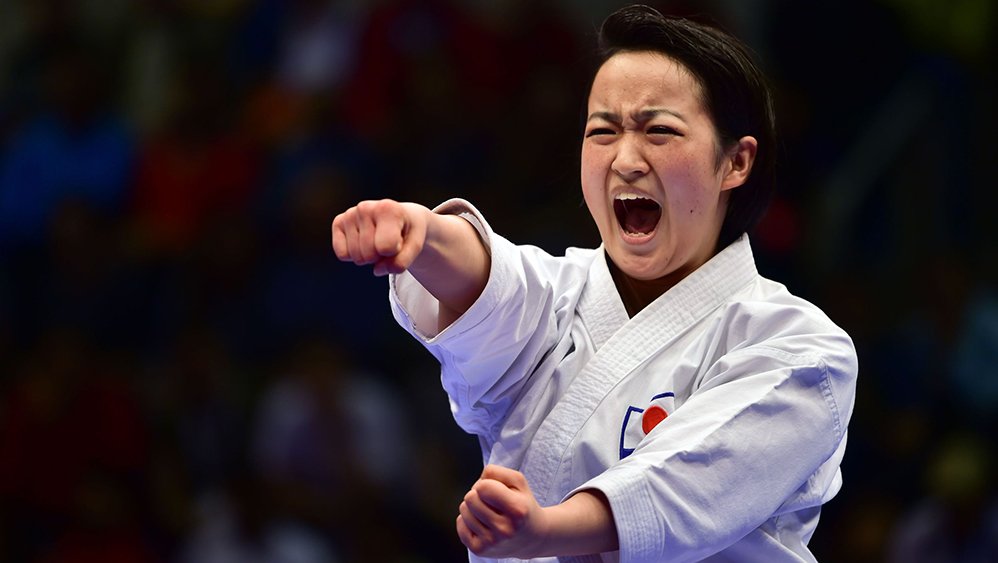
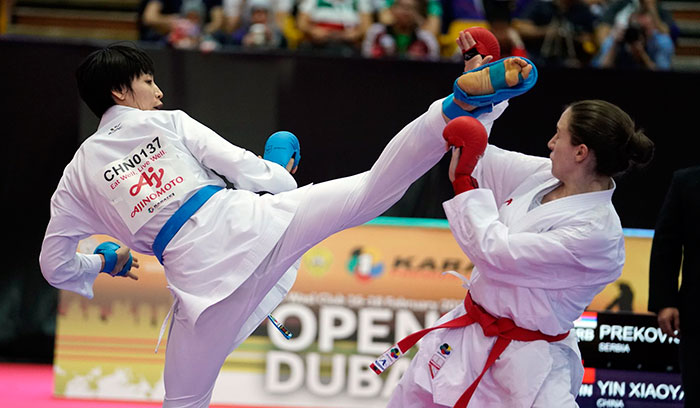
El período de clasificación olímpica para el Karate comenzó oficialmente el 2 de julio de 2018
La búsqueda de los Juegos Olímpicos de Tokio 2020 está en marcha. Las primeras clasificaciones para el debut de Karate en los próximos Juegos Olímpicos se han publicado, lo que abre oficialmente la carrera hacia la clasificación para el evento histórico.
El período de clasificación olímpica para el Karate comenzó oficialmente el 2 de julio de 2018. El primer evento que se incluyó en el proceso de clasificación olímpica fue el Torneo Senior de AKF 2018. El torneo continental se celebró en Amman (Jordania) del 11 al 15 de julio y Japón encabezó la tabla de medallas de la competencia.
Como la 15ª edición del Campeonato Asiático fue el único evento que se incluyó en la primera entrega de la clasificación olímpica, el ranking de atletas en la búsqueda de la clasificación para Tokio 2020 está formado únicamente por karatekas del continente asiático.
Los campeones del mundo y los medallistas de oro en Amman Kiyou Shimizu y Ryo Kiyuna de Japón muestran su dominio de las categorías de Kata al encabezar la clasificación de las categorías de Kata Femenino y Masculino, respectivamente. Los karatekas japoneses aparecen en las primeras posiciones de la clasificación en otras dos categorías, lo que demuestra sus exitosos resultados en los campeonatos continentales. Kayo Someya ocupa el segundo lugar en Kumite Femenina + 61 kg con la misma cantidad de puntos que el líder y medallista de oro en Amman Hamideh Abbasa de Irán. Mientras tanto, Mihohara completa la lista de karatekas mejor clasificados de Japón ya que el actual campeón continental lidera la categoría Kumite Femenina -55kg, con los mismos puntos que Tzu-Yun Wen de Chinese Taipei.
Los Grand Winners también muestran su nivel en esta primera edición de la clasificación. El actual propietario del premio Best of the Best, Xiaoyan Yin de China, lidera la categoría Kumite Femenina -61kg, con 240 puntos de diferencia con Nguyen Thi Ngoan de Vietnam, segundo clasificado.
Representantes de Jordania e Irán transfieren sus notables resultados en Ammán al ranking de atletas en las categorías olímpicas. Bashar Alnajjar de Jordania encabeza la categoría Male Kumite -75kg, empatado con Ali Ashgar Asiabari de Irán. También aparece un empate en la categoría Male Kumite -67 kg, ya que Abdullah Shaaban de Kuwait y Abdel Rahman Almasatfa de Jordania ocupan los primeros puestos de la clasificación en esta división.
La clasificación olímpica se actualizará el primero de cada mes. El proceso de calificación de los Juegos Olímpicos de Tokio 2020 para Karate terminará el 2 de junio de 2020, cuando se publique la lista final de atletas calificados.
Vaya al micro-sitio Tokio 2020 en la sección olímpica para tener acceso a la clasificación olímpica completa.
The quest to the Olympic Games Tokyo 2020 is on. The first Standings for Karate’s debut in the next Olympic Games have been published thus officially opening the race to the qualification to the historic event.
The Olympic qualification period for Karate officially begun on July 2, 2018. The first event to be included in the Olympic qualification process was the 2018 AKF Senior Championships. The continental tournament was held in Amman (Jordan) from July 11-15 with Japan topping the medal table of the competition.
As the 15th edition of the Asian Championships was the only event to be included in the first instalment of the Olympic Standings, the ranking of athletes in the quest to the qualification to Tokyo 2020 is formed only by karatekas from the Asian continent.
World champions and gold medallists in Amman Kiyou Shimizu and Ryo Kiyuna of Japan show their domination of the Kata categories by topping the standings of the Female and Male Kata categories respectively. Japanese karatekas appear in the top positions of the standings in two other categories thus demonstrating their successful results in the continental championships. Kayo Someya takes the second place in Female Kumite +61kg with the same number of points as leader and gold medallist in Amman Hamideh Abbasa of Iran. Meanwhile, Miho Miyahara completes the list of top-ranked karatekas from Japan as the current continental champion leads the Female Kumite -55kg category, with the same points as Tzu-Yun Wen of Chinese Taipei.
Grand Winners are also showing their level in this first edition of the Standings. The current owner of the Best of the Best award Xiaoyan Yin of China leads the Female Kumite -61kg category, with 240 points difference with second-placed Nguyen Thi Ngoan of Vietnam.
Representatives of Jordan and Iran transfer their remarkable results in Amman to the ranking of athletes in the Olympic categories. Bashar Alnajjar of Jordan heads the Male Kumite -75kg category, tied with Ali Ashgar Asiabari of Iran. A tie also appears in the Male Kumite -67kg category since Abdullah Shaaban of Kuwait and Abdel Rahman Almasatfa of Jordan take the first positions of the standings in this division.
The Olympic Standings will be updated the first of each month. The Tokyo 2020 Olympic qualification process for Karate will end on June 2, 2020 when the final list of qualified athletes will be published.
Go to the Tokyo 2020 micro-site on the Olympic section to have access to the full Olympic standings.
-
WKF Athletes’ Commission Elections 2018/ Elecciones de la Comisión de Atletas de la WKF 2018

De acuerdo con las Reglas de la Comisión de Atletas de la WKF (https://wkf.net/pdf/rules/WKFAthletesCommission2016_new.pdf-eng.pdf), tenga en cuenta que durante el Campeonato Mundial Senior de Madrid en el mes de noviembre 2 atletas serán elegidos por sus pares como miembros de la Comisión de Atletas de la WKF.
El período de presentación de candidaturas se abre hasta el 21 de octubre. Todas las candidaturas deben ser enviadas al WKF HQ (wkf@wkf.net) por el NF pertinente al que pertenece el candidato, incluyendo un currículum y una foto del candidato, así como su aceptación explícita. Un candidato, para que la candidatura sea válida, debe participar / haber participado como atleta en dos Campeonatos Mundiales Senior de las últimas 3 ediciones (2014/2016/2018). Una excepción a esto, siguiendo el punto 4 de las Reglas AC, son los dos miembros actuales de AC elegidos en Bremen 2014 cuyo mandato expira en Madrid, a saber, Douglas Brose (Brasil) y Antonio Díaz (Venezuela). Ambos son elegibles en su condición de miembros actuales de AC, sujeto a la presentación de candidaturas para este proceso.
In accordance with the Rules of the WKF Athletes’ Commission (https://wkf.net/pdf/rules/WKFAthletesCommission2016_new.pdf-eng.pdf), please be informed that during the Madrid World Senior Championships in the month of November 2 athletes will be elected by their peers as members of the WKF Athletes’ Commission.
The period for presenting candidatures is hereby open until 21st October. All candidatures must be submitted to the WKF HQ (wkf@wkf.net) by the relevant NF where the candidate belongs, including a resume and a picture of the candidate, as well as his/her explicit acceptance. A candidate, in order for the candidature to be valid, must participate / have participated as an athlete in two World Senior Championships from the last 3 editions (2014 / 2016 / 2018). An exception to this, following point 4 of the AC Rules, are the two current AC members elected in Bremen 2014 whose term expires in Madrid, namely Douglas Brose (Brazil) and Antonio Díaz (Venezuela). Both are eligible in their condition of current AC members, subject to their presentation of candidatures to this process.
-
Noticias importantes sobre Karate y los Juegos Olímpicos. / Important news about Karate and the Olympics.
On the Record: Karate aprovecha la oportunidad olímpica
Adjunto encontrará un artículo publicado en la revista Around the Rings. Contiene, entre otros, los principios y las políticas en las que la WKF basa su acción en todo el mundo, y creo que es importante que todos estén informados al respecto para mantener la acción más coherente, homogénea y unificada en su esfera de influencia. Es primordial que el mensaje que todos transmitimos al exterior se perciba básicamente como el mismo mensaje, sin importar el país, la región, la cultura, etc. en donde se transmite.
On the Record: Karate Seizes Olympic Opportunity
Attached you will find an article published in the Around the Rings magazine. It contains, between others, the principles and the policies on which the WKF bases its wordwide action, and I felt is is important that you all are informed about it for keeping the most coherent, homogeneous and unified action in your sphere of influence. It is paramount that the message that we all transmit to the outside is basically perceived as the same message, no matter the country, region, culture, etc. where it is transmitted.
(ATR) World Karate President Antonio Espinos says his sport is determined to make the most of its Olympic debut. (World Karate)
The sport is one of five selected by Tokyo 2020 in addition to the 28 core sports on the program. The martial art was born on the Japanese island of Okinawa more than a century ago before spreading worldwide.
But before the 2020 Olympics, the 2018 Youth Olympic Games in Buenos Aires this October will provide the first taste of the Olympics for karate. A total of 48 athletes, split equally by gender, will head to Argentina for the YOG.
World Karate President Antonio Espinos has led the federation since 1998. He began practicing the sport in his youth, moving on to the leadership of the Spanish federation and the European Karate Federation.
Around the Rings Editor Ed Hula spoke to Espinos in Lausanne last month about karate and the Olympics, preparing for the Youth Olympic Games and his hopes for keeping karate on the Olympic program for Paris 2024.
Around the Rings: I wanted to talk to you about karate and Olympics. You’re having the first Olympic-related karate tournaments, karate events on the calendar. How does that feel?
Antonio Espinos: We had a couple of weeks ago in Croatia, the qualification event for Youth Olympic Games in Buenos Aires, which is our first ever Olympic-related tournament in the history of the World Karate Federation. We have started for Tokyo.
ATR: How much work was needed within the federation to get ready for this? To create an Olympic qualification system?
 World Karate President Antonio Espinos (ATR)
AE: It’s been very time consuming and very interesting on my side, but not easy to get the culture of something different. It’s the first time that we did it, but we have learned a lot during this period. Fortunately, we started very early. Even before the IOC decision of August 3, 2016, we started preparing ourselves.
In October 2016, the IOC approved the inclusion of karate in the Youth Olympic Games of Buenos Aires, so this has been taking a lot of work, because this has been a very specific study of the qualification period for Buenos Aires. Nothing to do with what we have to do for Tokyo.
Also, it included some different categories than the officials want that we have in our tournaments, which has been an added complication, because we don’t have the same weight categories in WKF that we have in Youth Olympic Games and seniors. This is adding big, big work, but we are happy with the results and I think everything looks great.
ATR: What will the tournament for the Youth Olympic Games look like for karate? How many competitors?
AE: We have six –we have for what we call juniors, which is 16 and 17 years old. We have three categories and three female categories, eight athletes each. So we have 48 athletes, 24 male and 24 female.ATR: Is that hard to pick so few athletes from around the world?
AE: Very hard. From the 48 we have been selecting 12 of them by ranking, two by category, two in the first phase of the qualification tournament, and two in the second phase of the qualification tournament. This makes six of the eight in each category. You can imagine with the quality and the number of people that we have in the world how tough it is to qualify, but in the end we have the best of the best.
ATR: One of the concerns about the Youth Olympic Games for the IOC has been the quality of competition. It sounds like in the case of karate you are going to have a very high level of talent and skill in the Youth Olympic Games.
AE: The highest. The highest without any doubt. At the end, as I’m telling you, the first tournament ranking. And then we had the qualification tournament in Croatia. We had one phase one day and the second phase the other day and we had 300 athletes from 84 countries from the five continents and the best of the best has been coming. Those who had no chance probably didn’t come, because we saw very, very high quality.I’m really happy about the reaction of the world of karate. I’m very optimistic for Buenos Aires and I feel that it is also a very good opportunity for WKF in terms of showing to the IOC that they can rely on the WKF and it can be helpful for the decisions that the IOC has to take for Paris.
ATR: You have to get through Tokyo first. What is Tokyo looking like?
 The Budokan in Tokyo, site of the first world championships for karate, will be the venue for karate in Tokyo 2020. (ATR)
AE: Well the plans for Tokyo, everything looks great, because the venue that we have, Nippon Budokan, for us is really the best venue that we could ever imagine. Well, I will tell you something. In 1970, we had the foundation for the WKF and immediately after the first karate world championships in 1970 in Nippon Budokan. In 50 years after, or half a century after, in 2020 we’ll have our first Olympic tournament in the same venue in Nippon Budokan. It’s something unbelievable.
For us, Tokyo is not an achievement. For us, Tokyo is an opportunity. An opportunity that we could have never imagined. Such a big opportunity. We are going to take special care and show the best of ourselves and karate. In this sense it is an opportunity and I’m sure that everything will be running great.
ATR: How many athletes will you have?
AE: For Tokyo we have 80 athletes. We have eight categories with 10 athletes each, four male and four female, so 40 male, 40 female.
ATR: How are you expecting the public, the Japanese public spectators, to react to having karate in the Olympic Games?
AE: Well, I don’t know. I am positive on this, but I’m sure that Japanese public will be a part of public in Japan, but this is going to come to many, many people from the whole world to be in Nippon Budokan. As we have in every world championship, we are overbooked by people coming from the whole world. So you can imagine the first opportunity in the history of karate for being an Olympic sport is going to come with thousands and thousands of people from the whole world.
ATR: So you think you are going to sell the tickets?
AE: No, no, I am convinced. I’m sure. I’m convinced. You will see it.
ATR: And what will this mean for Paris? What do you have to do in Tokyo to make a good case for inclusion in Paris?
AE: Well, this is what I was saying. The first day after August 3, 2016 in Rio everybody was very happy, including me. We saw it was a big achievement to be in Tokyo, but already on August 4 the achievement turned into opportunity. Overall, to be in Tokyo is an opportunity to show what we can add to the Olympic Movement and the Olympic program and the Olympic Games.This is our opportunity to prove before millions and millions of spectators, that otherwise without the Olympic Games it’s impossible to have it.
ATR: Have you had any discussions with Paris yet about the possibility?
AE: No. I have been visiting the Paris authorities a couple of times just to try to establish a relationship, but we haven’t been going more than that, because we don’t know yet what’s going to be the timeline or the approach that Paris –
ATR: And the popularity in France – are there a lot of karate clubs?
AE: I’m really grateful, happy that 2024 is Paris, because we figure that we can show in Paris the social impact of karate in France and the thousands and thousands of clubs and 260,000-270,000 affiliates the level of the French karate athletes. This is the best that could have happened to us that Paris is hosting the 2024 Games. It is a very strong sport in France and this gives us an additional opportunity.
ATR: Karate also seems to have an advantage in this age of the new norm, Agenda 2020, where the IOC is looking to economize, to make things as easy and simple as possible. The venue for karate is not very complicated or technically complex.
AE: No, not at all. We don’t need a new venue or a special venue. We can accommodate venues for other sports that are already in the program. We need three days of competition. The plans are very simple and very cost-effective. 80 athletes doesn’t mean anything. It can only add value. I do not see any negative issue that’s cost, problems, organization, or on anything that somebody could say, “one sport more…” No, no. I only see advantages and I’m trying to be objective on this. Not because I’m a karate person that will say “that everything is…” No, no. I would be ready to discuss with anybody to tell me what the advantages and what are the problems. Problems? No problems with organization. Antonio Espinos talks with ATR Editor Ed Hula. (ATR)
We are very encouraged about the Olympics. The main message I want always like to transmit to everybody and maybe to the WKF is that Tokyo is not an achievement, it is our big opportunity. We have to work for it, not rest on our laurels, saying how good we are that we achieve to be in the Olympics. No. How happy we should be to have this opportunity in Tokyo. That’s the main message I want to transmit everywhere. This will be the key of our continuity in the Olympics.
ATR: How about karate in North Korea? Is there any activity there? Are you involved in any development there?
AE: I can tell you that for the first time in the world championships that we had in Tenerife in October of last year has been the first appearance of North Korea in this world championships and that we look forward to have them again in the next world championships that we will have in Madrid in November. They are becoming increasingly active. I think that it was a couple of months before Tenerife that they became a national federation member from WKF, and consequently, they were participating in Tenerife. And the congress that we had in Tenerife approved the membership of North Korea, so we look forward to have them now in the Asian Games in Jakarta.ATR: And you mentioned the world championship coming up in Madrid. You personally must be very excited about that. Did you have any influence on Madrid being selected?
AE: Well, I will tell you. Madrid was not originally the place that the congress had originally allocated the world championships. It was in South America. For not mentioning which was the country, it was in South America, but then they had problems with the venue.To assure the success of the events we joined with the Spanish federation. They know how to do it. We know how to do it. And for us the most important thing is to have success. We have the support of the Spanish authorities, in this case the authorities from the community of Madrid. The championship has all the conditions to be a successful championships. It’s a very well-known venue in the city center of Madrid. It’s a new venue, so it is a fantastic venue for karate.
Reported by Ed Hula. For general comments or questions, click here.
Your best source of news about the Olympics is http://www.aroundtherings.com, for subscribers only.


Debe estar conectado para enviar un comentario.