

WSF 8th European Shotokan Championships and WSF World Cup is on 11-12-13 November 2016 in Batumi Georgia
Shotbu Ippon, Shobu Sanbon and jiu kumite Categories.
Todos los Campeonatos Regionales, continentales y mundiales así como eventos de cierta entidad
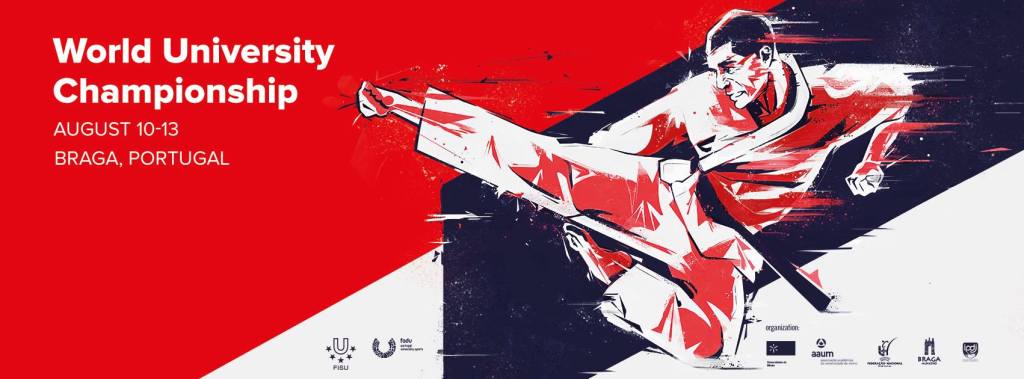
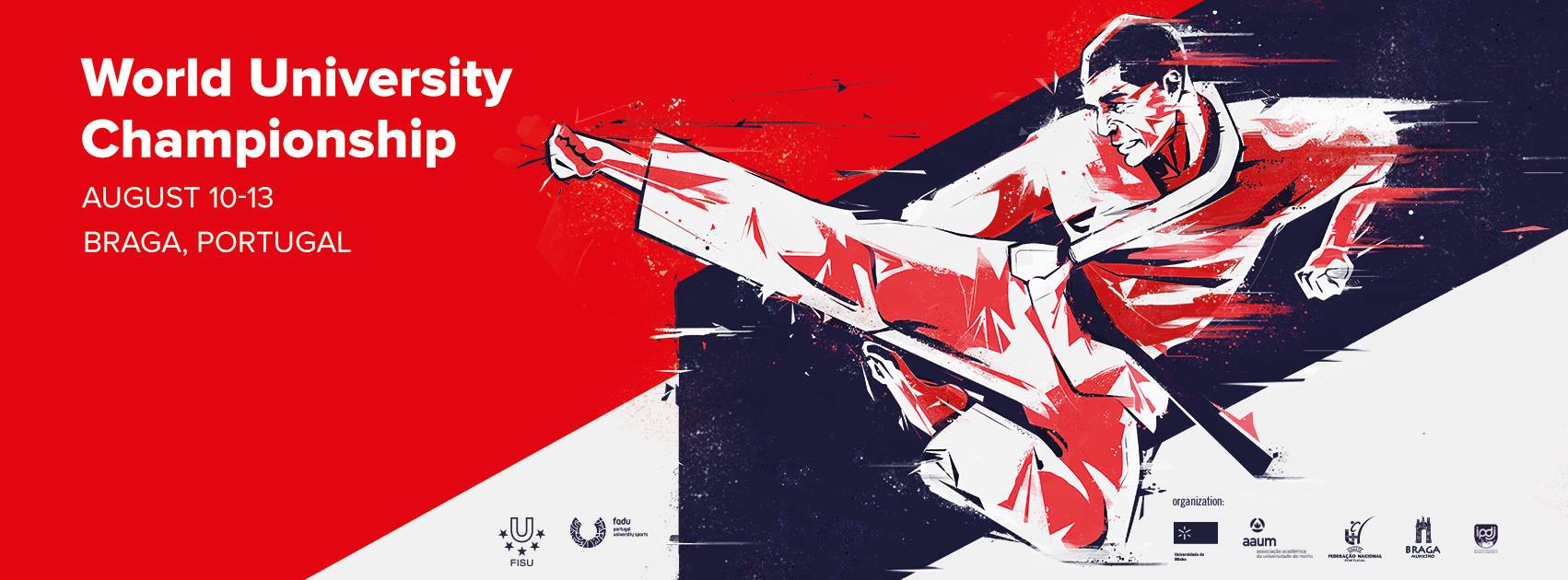
Mundial Universitário de Karaté 2016
Toda la información necesaria durante la estancia en braga (Portugal), en los cuatro días de competencia!
2016 World University Karate Championship 2016, Braga, Portugal
Be aware of all the necessary information during the passage in Braga (Portugal), in the four-day competition!
GENERAL USEFUL INFORMATION
Official language
Portuguese
Time zone
During winter time, i.e. from 1 a.m. on the last Sunday in October to 1 a.m. on the last Sunday in March, the official time in mainland Portugal and Madeira is the Universal Time Coordinated (UTC).
The rest of the year (between 1 a.m. on the last Sunday in March and 1 a.m. on the last Sunday in October), summer time is in effect and the official time in mainland Portugal and Madeira is Universal Time Coordinated plus one hour.
Money
Currency
Portugal is one of 17 European Union countries whose common official currency is the euro.
ATMS – Automatic Teller Machines (Multibanco)
Portugal has a national network of cash machines (ATMs) identified by the symbol MB (Multibanco), from which you can withdraw cash 24 hours a day.
Currency Exchange
You can exchange money at banks, which are open from 8.30 a.m. to 3 p.m. five working days a week; at bureaux de change; and at automatic currency exchange machines (these are for currency sale transactions only).
Credit Cards
In Portugal, the most commonly used credit cards are: Visa, American Express, Diners Club, Europay / MasterCard, JCB and Maestro. If your Visa or MasterCard credit card is lost or stolen, contact the following telephone numbers for assistance:
Visa: Tel. 800 811 107
Mastercard: Tel. 800 811 272
Weather
Braga has a Mediterranean climate similar to other cities in the northwest Iberian Peninsula except for having significantly hotter summer temperatures due to being some distance from the ocean: the absolute maximum is as much as 6 °C (11 °F) higher than for A Coruna or Santiago de Compostela. The highest recorded temperature is 41.3 °C (106.3 °F) while the lowest recorded is −6.3 °C (20.7 °F). The climate is affected by the Atlantic Ocean which influences westerly winds that are channelled through the region’s valleys, transporting large humid air masses. Consequently, the climate tends to be pleasant with clearly defined seasons. The air masses have the effect of maintaining the relative humidity around 80%: annual mean temperatures hover between 12.5 °C (54.5 °F) and 17.5 °C (63.5 °F). Owing to nocturnal cooling, frost usually forms frequently between three and four months of the year (about 30 days of frost annually), and annually the region receives 1,659 millimetres (65.3 in) of precipitation, with the major intensity occurring between fall/winter and spring.
Communications
Telephones
All telephone numbers in Portugal are composed of nine digits. To call from abroad to Portugal, it is necessary to dial the international access code 00 and the country code 351. To call abroad from Portugal, dial 00, the country code, the area code and then the number wanted. The dialling codes of the various countries are affixed in public telephone booths.
Mobile Phones
Portugal is one of the countries with the highest number of mobile phone users. There are three network service providers – MEO (www.meo.pt), NOS / Optimus (www.nos.pt) and Vodafone Portugal (www.vodafone.pt) that have roaming agreements with most international mobile phone companies and provide users with a good coverage nationwide. The Portuguese Highway Code forbids the use of mobile phones while driving, unless you’re using hands-free equipment or an earphone, and there are established penalties that can be applied in the event of any infringement.
Internet
Internet access is available free in some cafés and in numerous places in the city. In various hotels and public facilities, like Airports, Conference centres, Restaurants, Service Areas in motor-ways and shopping centres, there are duly marked «wi-fi» areas where it is possible to access wireless Internet. This event will have free internet access via wireless in every place, such as sports facilities, canteen and residences.
Electricity
The electric current in Portugal is 230/400 volts at a frequency of 50 hertz and sockets comply with European standards. You will need a 230 volt transformer and an adaptor to use American-style flat-prong plugs.
Useful phone numbers in Portugal
NATIONAL EMERGENCY NUMBER – 112
BRAGA HOSPITAL – +351 253 027 000 – http://www.hospitaldebraga.com.pt
POLICE – PSP/Braga Command: +351 253 200 420
Necessary documents to travel to Portugal
Regarding entry formalities, citizens of the European Union, Bulgaria, Cyprus, Iceland, Liechtenstein, Norway, Romania and Switzerland need only an identity card to enter Portugal.
For visits of less than 90 days, a passport valid for at least three months after the end of their stay is necessary for visitors from Albania, Andorra, Antigua and Barbuda, Argentina, Australia, Bahamas, Barbados, Bosnia-Herzegovina, Brazil, Brunei, Canada, Chile, Costa Rica, Croatia, Guatemala, Holy See, Honduras, Israel, Japan, Macedonia, Malaysia, Mauritius, Mexico, Monaco, Montenegro, New Zealand, Nicaragua, Panama, Paraguay, Saint Kitts and Nevis, San Marino, Serbia, Seychelles, Singapore, South Korea, United States of America, Uruguay, Venezuela, Special Administrative Regions of the People’s Republic of China in Hong Kong and Macao and Taiwan territorial Authority.
Citizens from countries not mentioned above need a visa to enter Portugal, which may be requested at the Portuguese Embassy or Consulate of their country for stays of up to 90 days.
Under the terms of the Convention Implementing the Schengen Agreement, flights between Schengen states are considered to be internal flights and passengers do not need to obtain another visa.
Fuente: FISU

Entérate cómo participar para que tu ciudad sea la CAPITAL DEPORTIVA UNIVERSITARIA DE AMÉRICA entrando en este link –> http://fisuamerica.com/noticias/concurso-capital-deportiva-universitaria-de-america/
. La FISU apoya la realización de eventos accesibles para un público amplio en los campus universitarios:
Eventos deportivos;
Actividades educativas;
Eventos culturales;
El Festival.
TIPO DE ACTIVIDADES
Actividades deportivas:
Las actividades deportivas garantizarán la inclusión de todo tipo de participantes, sin importar la edad ni las capacidades físicas y mentales. Estas actividades podrán adoptar la forma de exhibiciones, iniciaciones, entrenamientos o concursos. La idea es conseguir que los participantes se inscriban en clubs y actividades deportivas de la universidad.
Ejemplos:
Jornadas de puertas abiertas en las actividades deportivas de la Universidad;
Encuentros deportivos bilaterales (Alemania-Polonia, etc.);
Actividades especiales: integración de sectores objetivo de la ciudadanía específicos mediante la práctica conjunta de deportes (personas con discapacidad, refugiados, etc.);
Eventos que reúnan a clubes, escuelas, universidades, etc;
Personal de las universidades: ejercicio físico en el lugar de trabajo.
Actividades Educativas:
Formato:
Charlas;
Conferencias;
Seminarios;
Mesas redondas;
Talleres.
Ejemplos:
Mesas redondas: con estudiantes-atletas de alto nivel sobre la simultaneidad de estudios y deporte;
Establecimiento de indicadores de género;
Promoción de la Carta Internacional de la Educación Física y el Deporte revisada de la UNESCO.
Actividades culturales:
El deporte también es cultura. Por lo tanto, las actividades culturales también se perciben como una plataforma de promoción del deporte, ya que permiten exponer el verdadero espíritu del movimiento de deporte universitario mediante la celebración del deporte en películas, canciones de los clubs de deporte universitario, espectáculos y cualquier otro tipo de manifestación.
En este contexto se pueden desarrollar diversas actividades:
Visitas al museo del deporte;
Exposiciones de objetos relacionados con la historia del deporte universitario en el ámbito local y nacional;
Presentaciones y debates sobre películas sobre el deporte;
Espectáculos deportivos universitarios.
El Festival:
La ciudad acoge el Festival Internacional del Deporte Universitario con el fin de atraer a un público más amplio, además de a los estudiantes universitarios. Se trata de una oportunidad de invitar a los ciudadanos a practicar algún ejercicio físico y sacar el deporte universitario del campus para acercarlo a la ciudad. Este evento específico se rige por normas y reglamentos particulares. En el momento en que nos encontramos, la FISU espera realizar un Festival en cada país. Puede encontrar más información en el Manual del Festival.
Concurso Capital Deportiva Universitaria del Continente Americano
Los invitamos a participar del concurso de Capital Deportiva Universitaria del Continente Americano organizado por FISU América.
Tiempo límite de inscripción: 30 de julio de 2016
Descargar bases y condiciones AQUI.
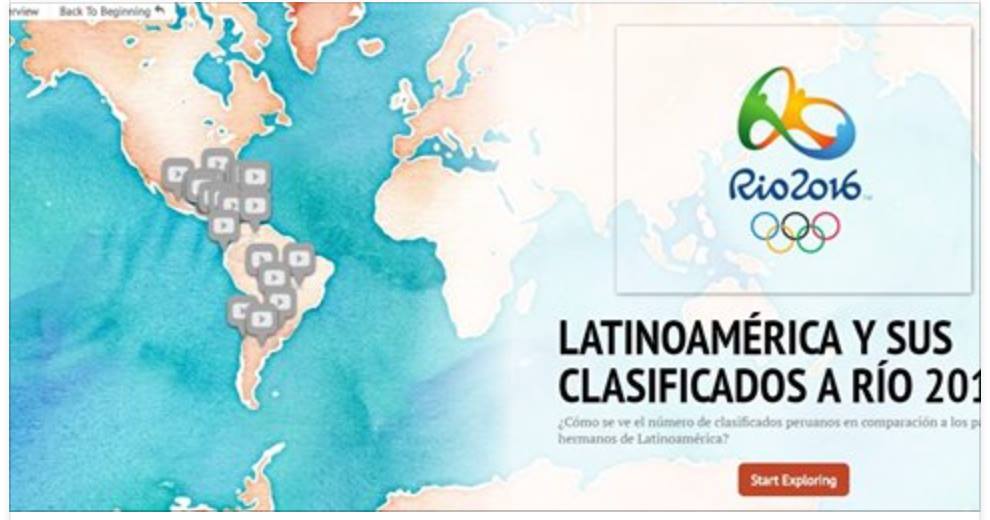
¿CUÁNTOS DEPORTISTAS HAN CLASIFICADO A LOS JUEGOS OLÍMPICOS LOS PAÍSES QUE INTEGRAN LA ORGANIZACIÓN PANAMERICANA?
Ingresa a este link para descubrirlo:https://uploads.knightlab.com/storymapjs/b8a880b56a964e62d316fb1490102dde/estadios-de-la-copa-america-centenario-2016/index.html
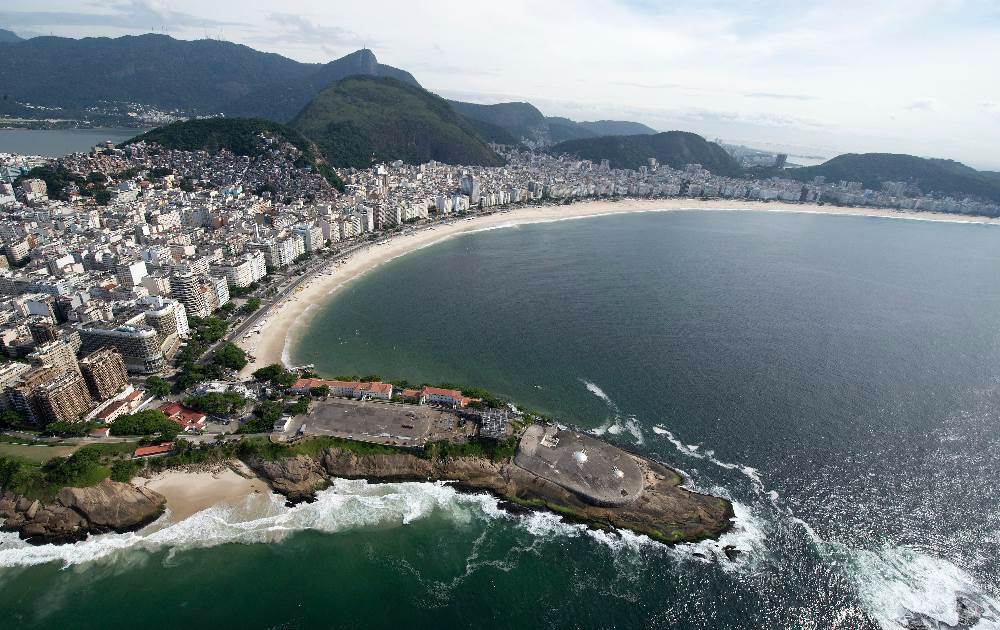
Informaciones sobre los deportes, como llegar a las competiciones, mapas de las tribunas, servicios disponibles en las arenas y mucho más: todo lo que necesitas saber para aprovechar cada momento de los Juegos Rio2016. Descarga tu guía del Espectador!
Guia del Espectador : https://www.rio2016.com/es/guia-del-espectador


Debe estar conectado para enviar un comentario.