Autor: Hito Kata San men

  • No menos de 16 países se fueron a casa con una medalla en el torneo de Karate de los Juegos Olímpicos Juveniles Buenos Aires 2018

    No menos de 16 países se fueron a casa con una medalla en el torneo de Karate de los Juegos Olímpicos Juveniles Buenos Aires 2018

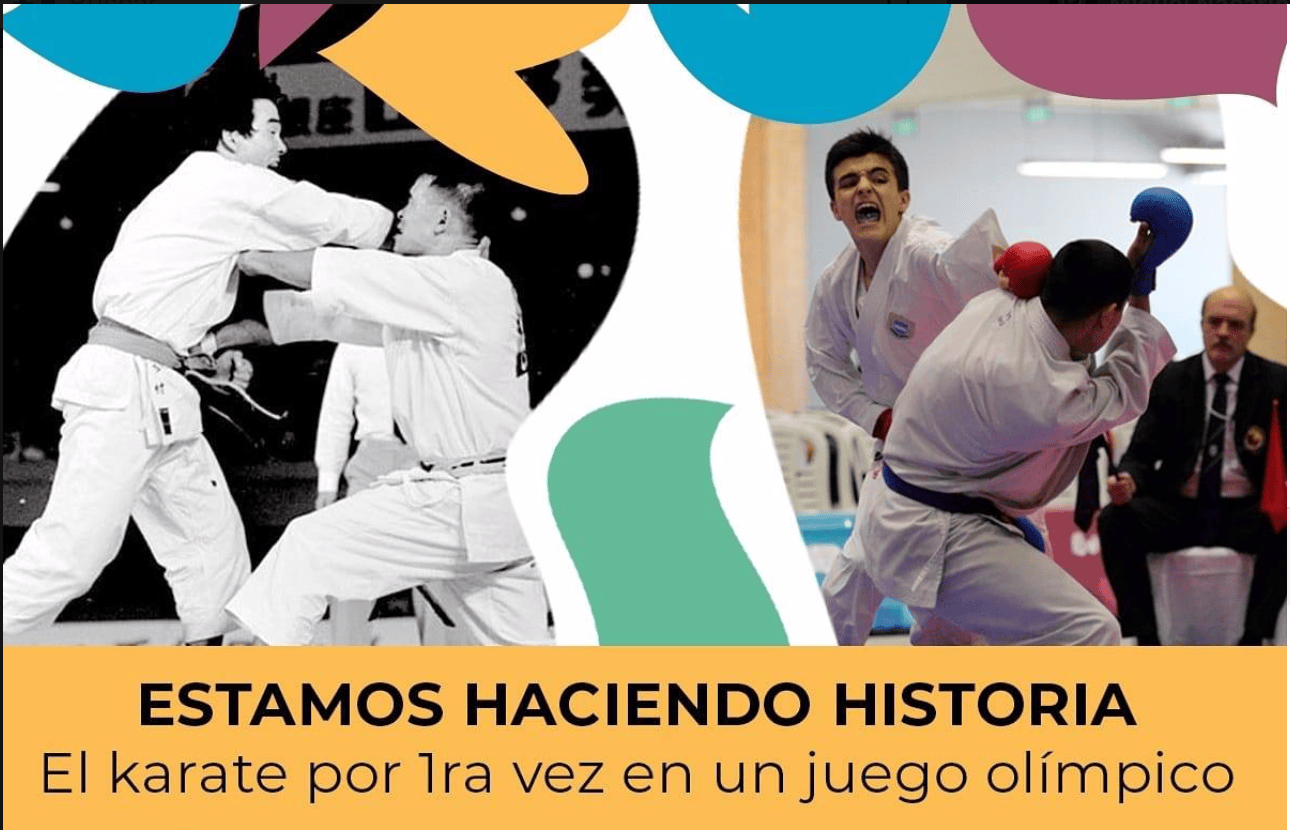
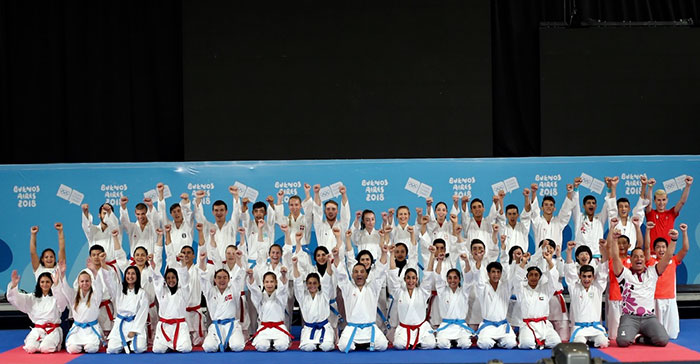
    No menos de 16 países se fueron a casa con una medalla en el torneo de Karate de los Juegos Olímpicos Juveniles Buenos Aires 2018. El inolvidable debut de la disciplina en los Juegos Olímpicos Juveniles pasará a la historia del deporte por la emocionante competencia y por la Escaparate del impacto global del Karate.

    Casi la mitad de las naciones que participan en la competencia de Karate de los Juegos Olímpicos de la Juventud 2018 compartieron las 26 medallas en juego en el evento. El torneo de Karate en Buenos Aires 2018 tuvo representantes de 33 países y cinco continentes, lo que demuestra el alcance mundial del Karate.

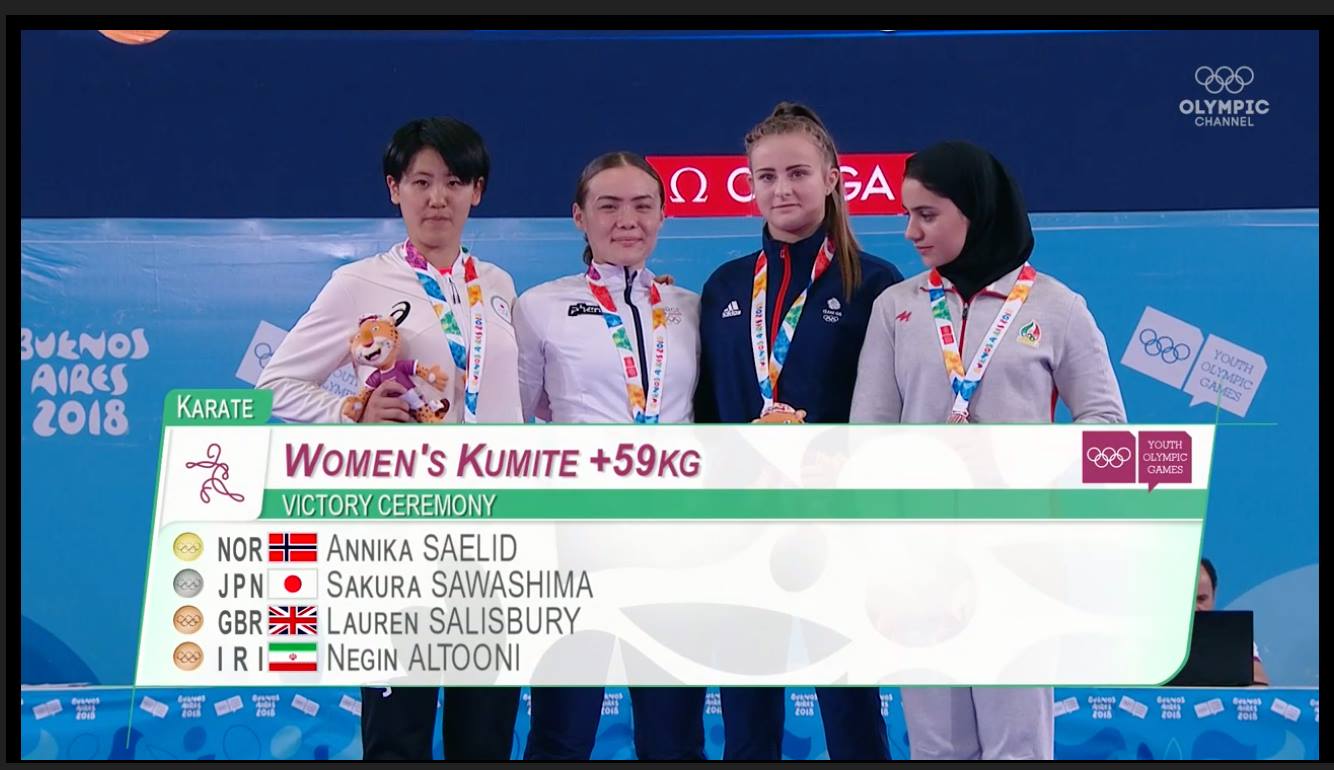
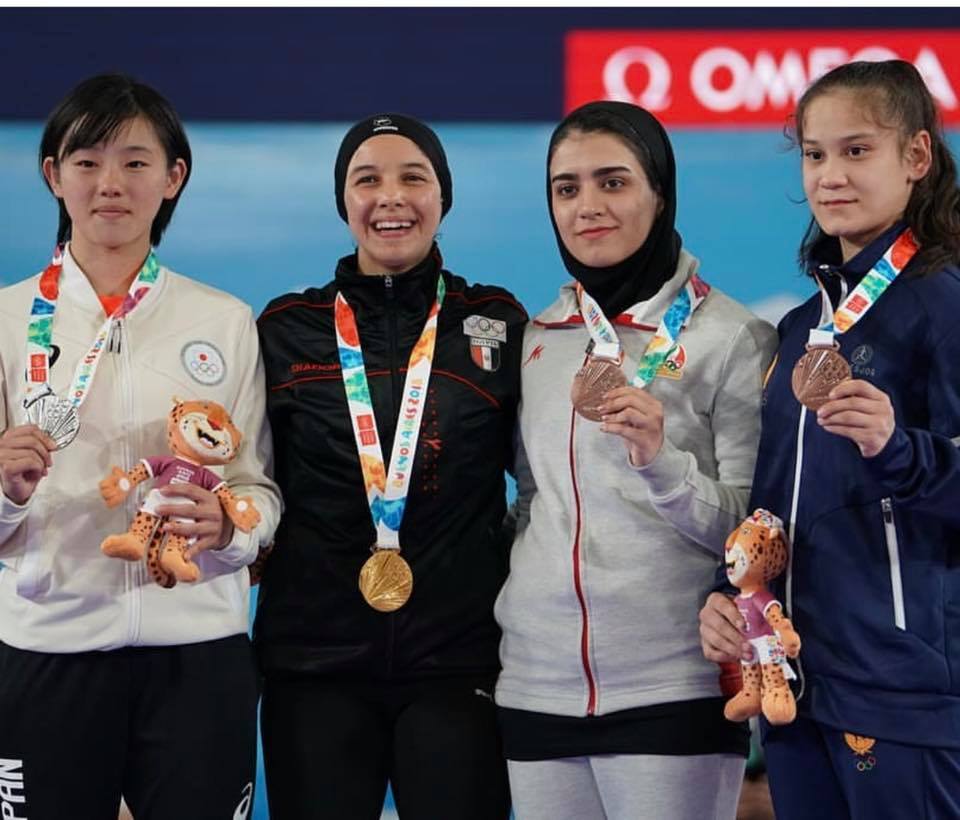
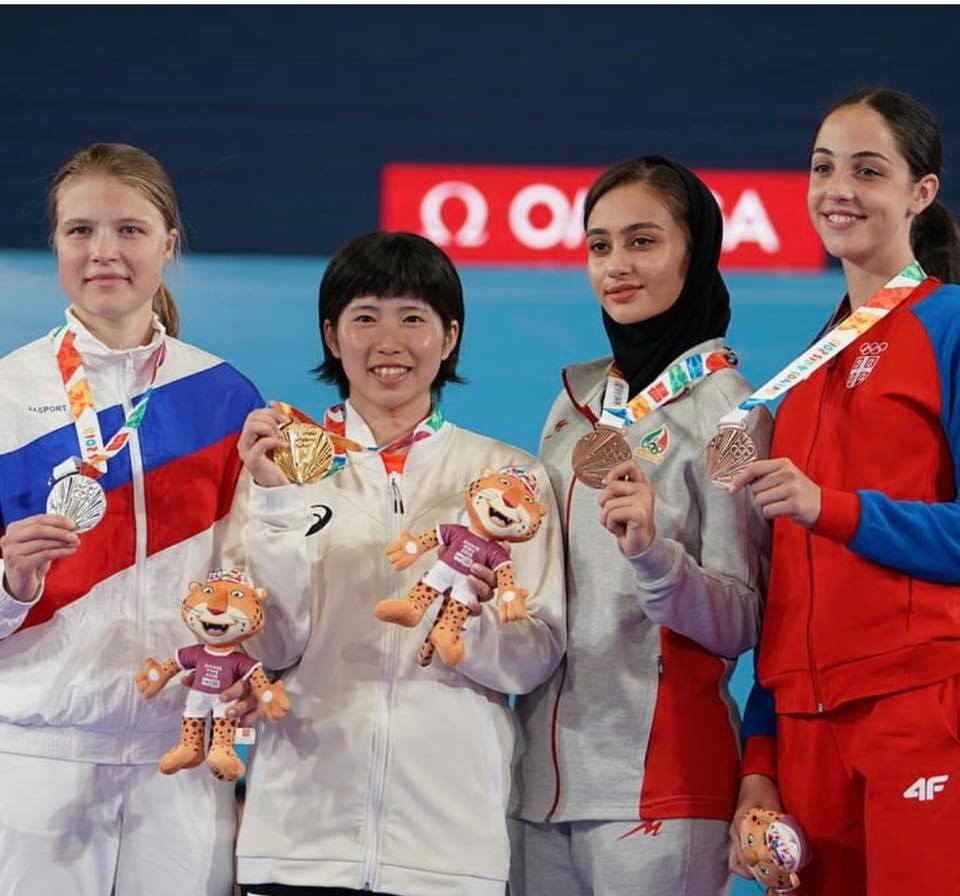
    Japón terminó el evento encabezando la tabla de medallas de la competencia de Karate en Buenos Aires. Tras la medalla de oro de Kokoro Sakaji y las medallas de plata tomadas por Rinka Tahata, Masaki Yamaoka y Sakura Sawashima, la nación natal del deporte se adjudicó la primera posición del evento con un total de cuatro premios.

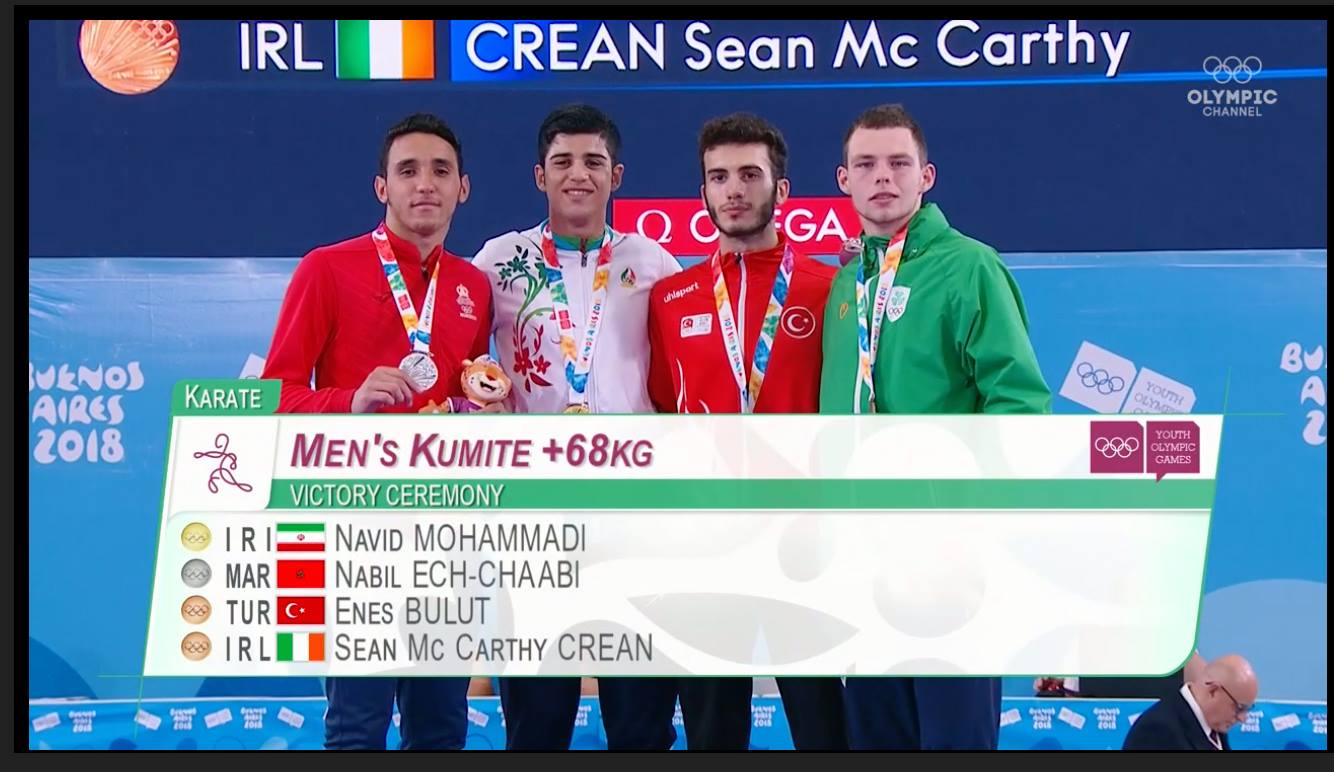
    Irán utilizó su estatus como la segunda nación con más representantes en el tatami en Buenos Aires después de Japón y reclamó el segundo lugar de la tabla de medallas. Los jóvenes karatekas de la poderosa nación del deporte celebraron la medalla de oro de Navid Iri Mohammadi y los bronces de Negin Altooni, Fatemeh Khonakdartarsi y Mobina Heydariozomcheloei.

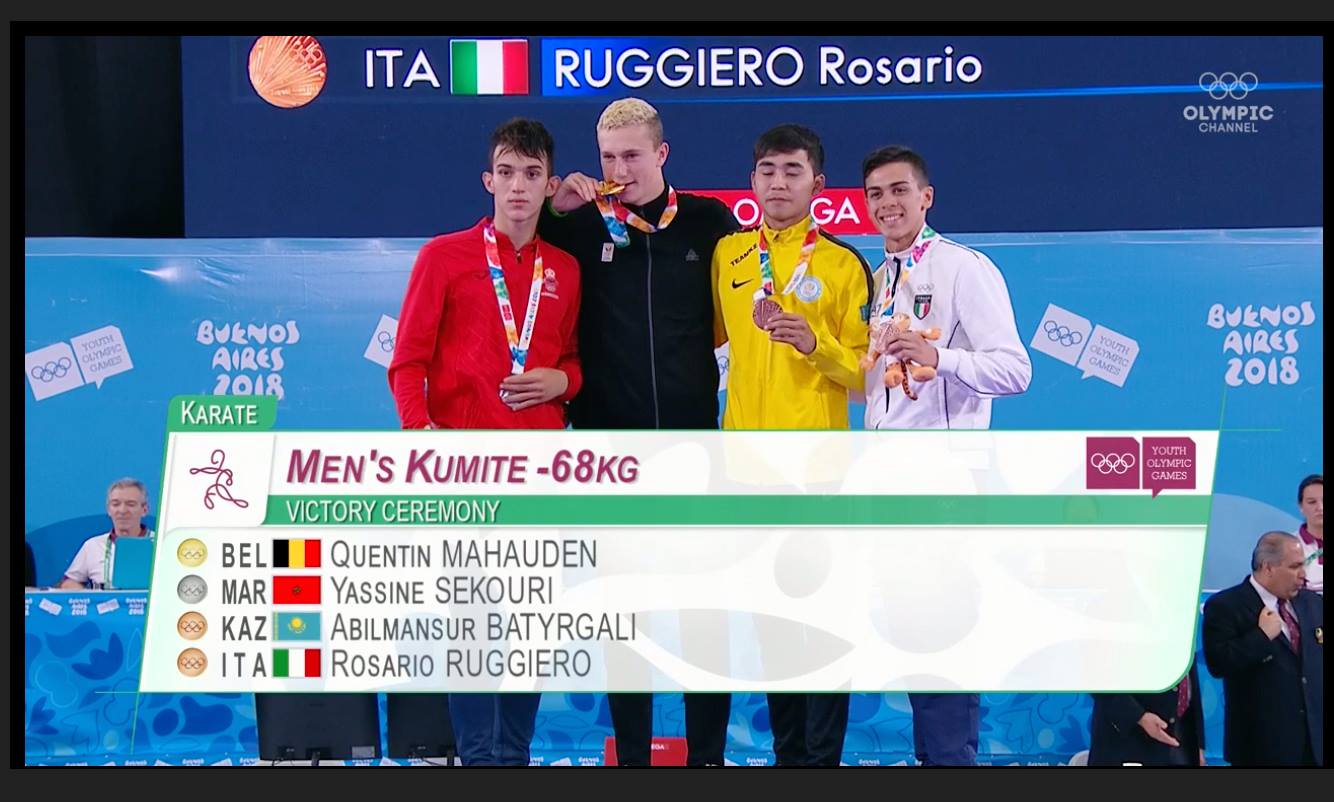
    No menos de cuatro países terminaron el torneo en el tercer lugar de la tabla de medallas después de ganar una medalla de oro cada uno. Yasmin Nasr Elgewily de Egipto, Mohammed Ayed Al Assiri de Arabia Saudita, Quentin Mahauden de Bélgica y Annika Saelid de Noruega llevaron a sus países a la tercera posición en la clasificación final.

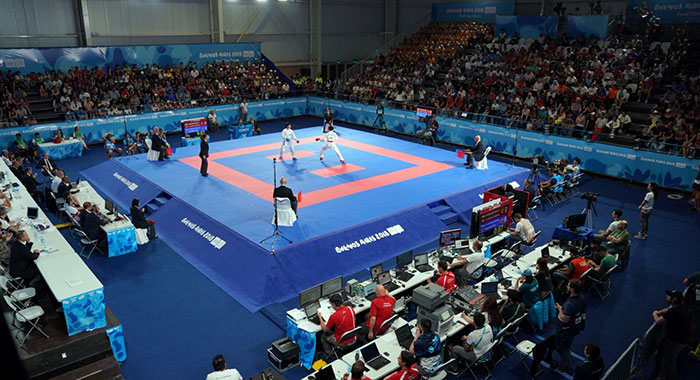
    Karate celebró su debut en los Juegos Olímpicos de la Juventud en la primera participación del deporte en el evento multideportivo en Buenos Aires. Los Juegos Olímpicos Juveniles de 2018 siempre serán recordados por el inolvidable primer torneo olímpico de este deporte y la espectacular competencia de Karate en el pabellón de deportes Pabellon Europa.
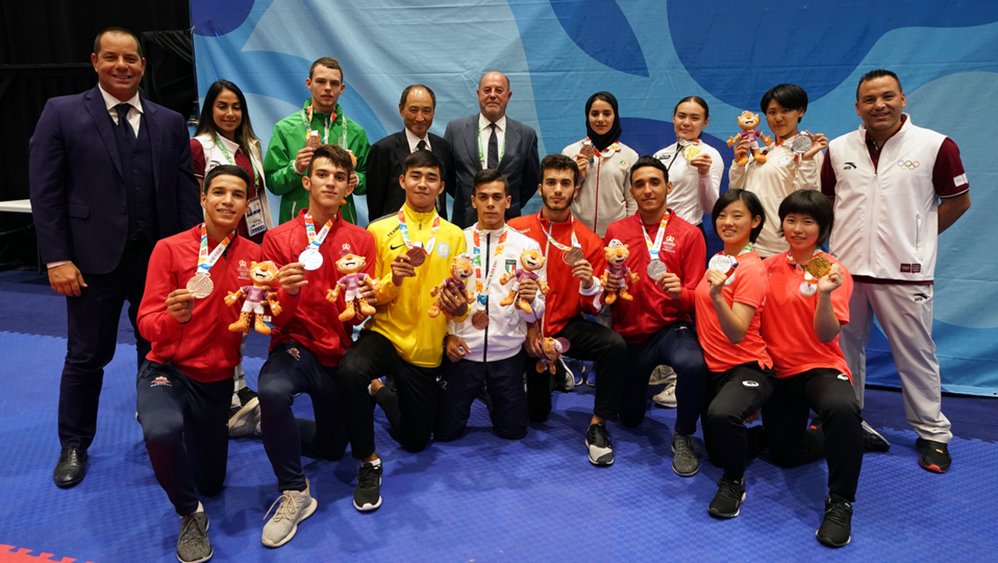
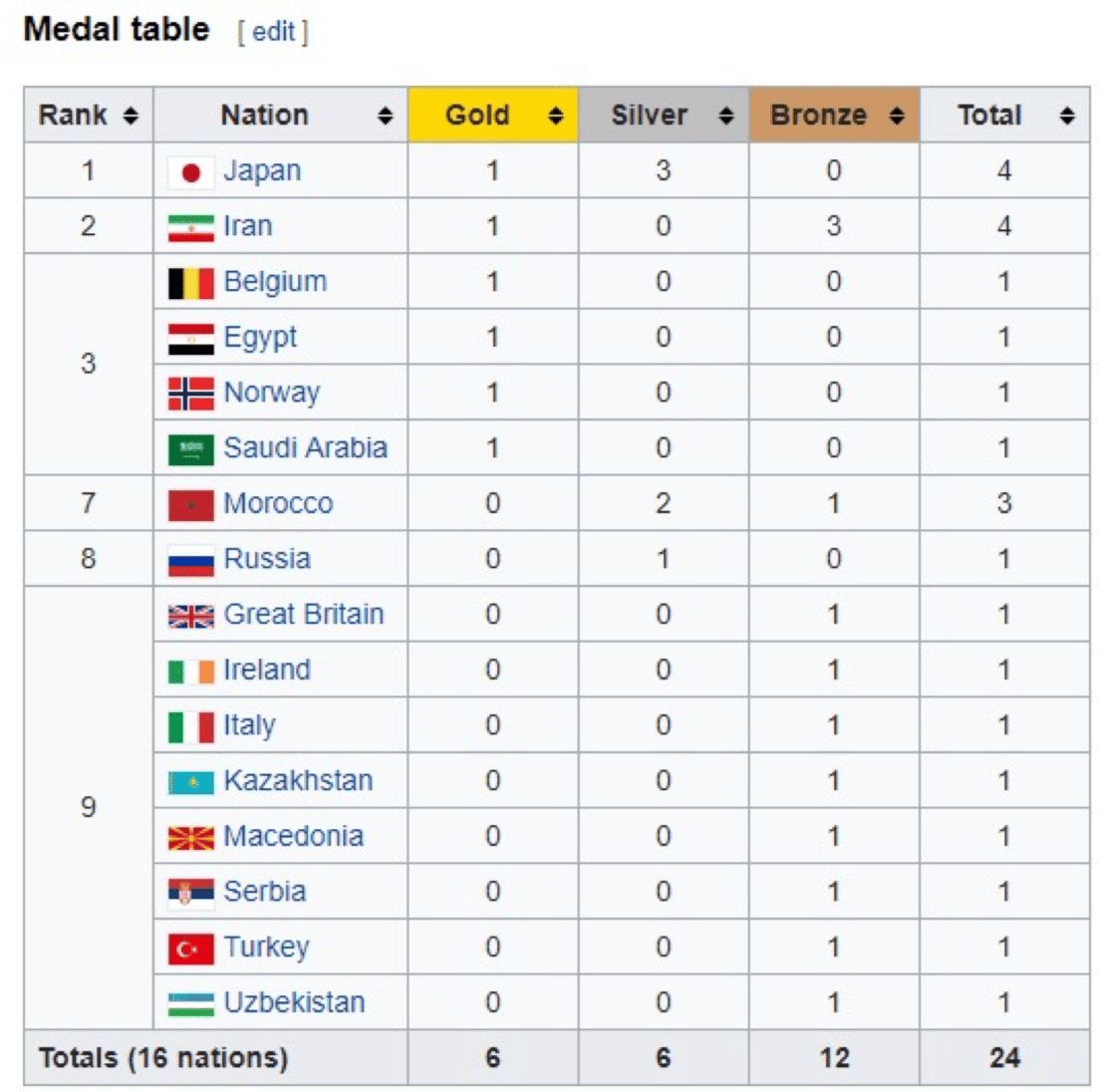
    JAPAN TOP KARATE’S FIRST YOUTH OLYMPIC GAMES MEDAL TABLE

    No less than 16 countries went home with a medal in the Karate tournament of the Youth Olympic Games Buenos Aires 2018. The unforgettable debut of the discipline in the Youth Olympic Games will go down in the history of the sport by the thrilling competition and by the showcase of Karate’s global impact. 

    Nearly a half of the nations participating in the Karate competition of the 2018 Youth Olympic Games shared the 26 medals at stake in the event. The Karate tournament in Buenos Aires 2018 had representatives from 33 countries and five continents, thus demonstrating Karate’s worldwide reach.

    Japan finished the event topping the medal table of the Karate competition in Buenos Aires. Following Kokoro Sakaji’s gold medal and the silver medals taken by Rinka Tahata, Masaki Yamaoka and Sakura Sawashima, the birth nation of the sport claimed the first position of the event with a total of four awards.

    Iran took use of their status as the second nation with more representatives on the tatami in Buenos Aires after Japan and claimed the second place of the medal table. The young karatekas from the powerhouse nation of the sport celebrated Navid Iri Mohammadi’s gold medal and the bronzes by Negin Altooni, Fatemeh Khonakdartarsi and Mobina Heydariozomcheloei.

    No less than four countries ended the tournament in the third place of the medal table after winning one gold medal each. Yasmin Nasr Elgewily of Egypt, Mohammed Ayed Al Assiri of Saudi Arabia, Quentin Mahauden of Belgium and Annika Saelid of Norway all took their countries to the third position in the final standings.

    Karate celebrated its debut in the Youth Olympic Games in the first participation of the sport in the multi-sport event in Buenos Aires. The 2018 Youth Olympic Games will always be remembered by the unforgettable first Olympic tournament of the sport and the spectacular Karate competition in Pabellon Europa sports hall.

    Fuente/Source: WKF
  • GUÍA PARA PRINCIPIANTES DE KARATE EN LOS JUEGOS OLÍMPICOS DE JUVENTUD BUENOS AIRES 2018

    GUÍA PARA PRINCIPIANTES DE KARATE EN LOS JUEGOS OLÍMPICOS DE JUVENTUD BUENOS AIRES 2018

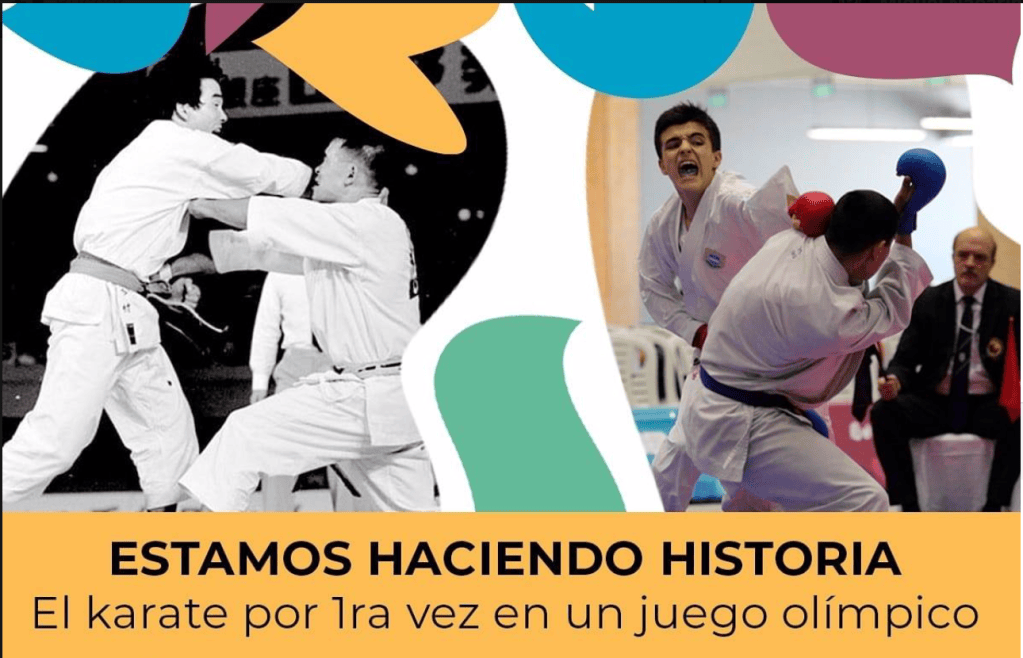
    La historia del Karate está a punto de ser escrita esta semana. Del 17 al 18 de octubre, Karate hará su debut olímpico en Buenos Aires en los Juegos Olímpicos de la Juventud 2018. Será la primera vez que Karate se incluya en el programa deportivo de los Juegos Olímpicos de la Juventud.

    El torneo de Karate en los Juegos Olímpicos Juveniles de 2018 se realizará del 17 al 18 de octubre. La competencia en Buenos Aires se limita a las categorías Kumite, y el evento comenzará el miércoles 17 de octubre a las 10:00 hora local.

    Los Juegos Olímpicos Juveniles son un evento internacional multi-deporte que se lleva a cabo cada cuatro años entre los principales Juegos Olímpicos. La tercera edición en Buenos Aires, Argentina en 2018 se produce después de Singapur en 2010 y Nanjing en 2014.

    HOJA INFORMATIVA: BUENOS AIRES 2018

    • Lugar: Pabellon Europa
    • Fechas: 17-18 de octubre de 2018.
    • Número de atletas: 48 (24 niños, 24 niñas) de 28 naciones
    • Número de medallas: 24 medallas (cuatro para cada categoría)

    BUENO SABER

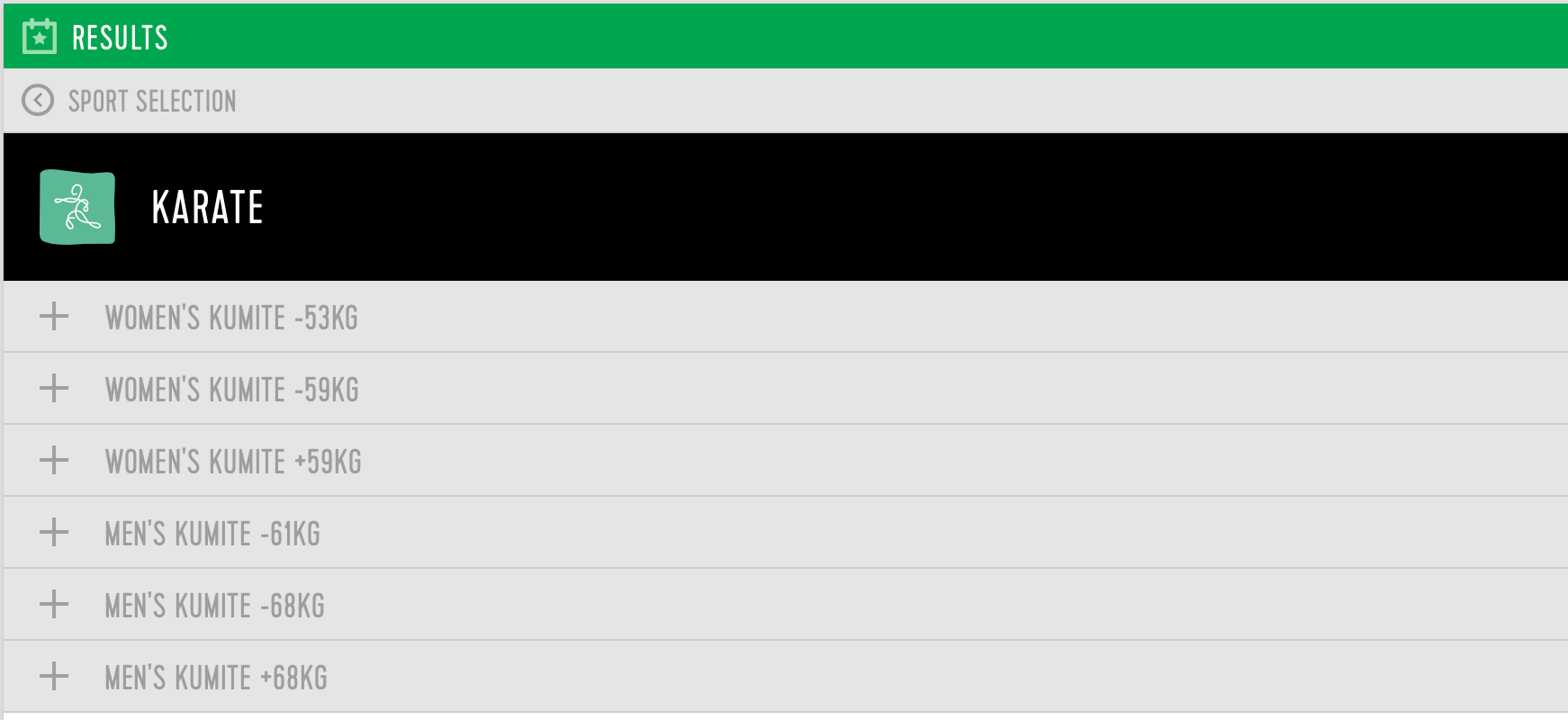
    1) La competencia de Karate en los Juegos Olímpicos Juveniles tiene tres categorías por género: Kumite masculino -61kg, Kumite masculino -68kg, Kumite masculino + 68kg, Kumite femenino -53kg, Kumite femenino -59kg y Kumite femenino + 59kg.

    2) Cada categoría de Kumite de peso tendrá 8 atletas por disciplina, distribuidos en 2 grupos de 4 atletas cada uno.

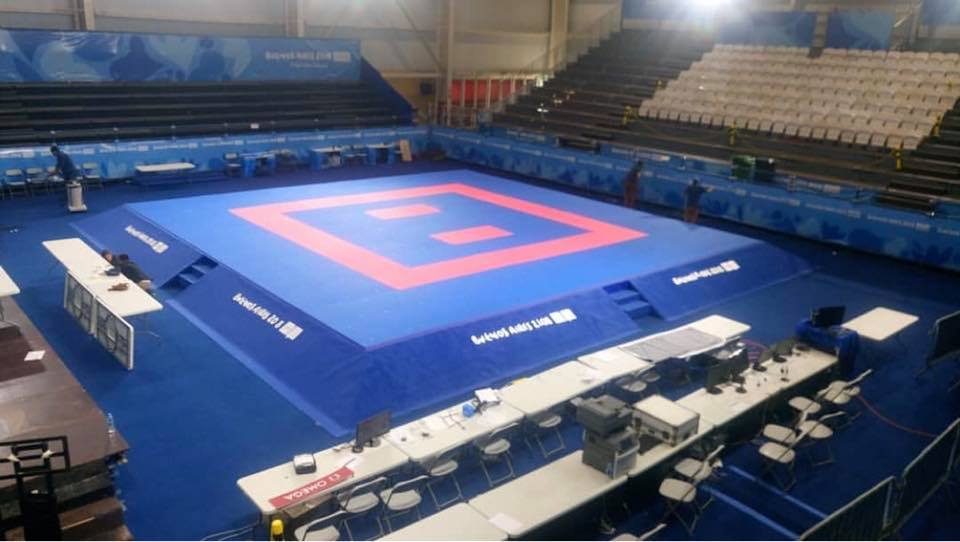
    3) La competencia se lleva a cabo en un tapete cuadrado denominado ‘tatami’. Los concursantes, llamados Aka (rojo) y Ao (azul) por su nomenclatura japonesa, compiten entre sí tratando de ganar puntos usando diferentes técnicas de puñetazos, patadas y derribos. La duración de los combates será de dos minutos (tiempo real) para hombres y para mujeres.

    4) Los concursantes reciben puntos de acuerdo con las técnicas ejecutadas correctamente. El sistema de puntos sigue este desglose.

    – Un punto («Yuko») para un golpe directo o golpes entregados al cuerpo y / o la cara.

        – Dos puntos («Waza-Ari») para una patada media entregada al cuerpo.

        – Tres puntos («Ippon») para una patada alta entregada a la cabeza, o para un puñetazo sobre un oponente que ha sido derribado después de un barrido o derribo.

    5) El ganador es el atleta que obtiene el mayor número de puntos a tiempo completo

    6) El formato de la competencia para el torneo de Karate en los Juegos Olímpicos de la Juventud sigue el sistema «Round Robin». Los competidores se agrupan en grupos, y los atletas mejor clasificados de cada grupo se enfrentarán en las semifinales. Los ganadores de las semifinales se reunirán en el combate decisivo para el título.

    7) Se otorgarán cuatro medallas: oro, plata y dos medallas de bronce.

    8) Los 24 atletas por género calificados para los Juegos han llegado al evento, ya sea por clasificación, por el torneo de Clasificación Olímpica en Umag o por los criterios de Universalidad.

    9) Los atletas que participan en los Juegos Olímpicos Juveniles de 2018 deben haber nacido entre el 1 de enero de 2001 y el 29 de junio de 2002.

    10) Atletas de 28 países y cinco continentes están representados en la competencia de Karate.

    Programación

    Octubre 17: Competición Día 1

    • 10:00                     Female Kumite -53 kg

    • 11:00                     Male Kumite -61 kg

    • 12:00                     Female Kumite -59 kg

    • 15:00                     Semi-final bouts

    • 15:45                     Gold medal bouts

    • 6:00                     Victory Ceremony

    Octubre 18: Competición Día 2

    • 09:00                     Male Kumite -68 kg

    • 10:00                     Female Kumite +59 kg

    • 11:00                     Male Kumite +68 kg

    • 14:00                     Semi-final bouts

    • 14:45                     Gold medal bouts

    • 15:00                     Victory Ceremony

    19:30                     Closing Ceremony


    BEGINNERS’ GUIDE TO KARATE AT THE YOUTH OLYMPIC GAMES BUENOS AIRES 2018

    The history of Karate is about to be written this week. From October 17 to 18, Karate will be making its Olympic debut in Buenos Aires in the 2018 Youth Olympic Games. It will be the first time that Karate is included in the sports programme of the Youth Olympic Games. 

    The Karate tournament at the 2018 Youth Olympic Games runs from October 17 to 18. The competition in Buenos Aires is limited to the Kumite categories, with the event starting on Wednesday, October 17 at 10:00 local time.

    The Youth Olympic Games is an international multi-sport event that takes place every four years in between the main Olympic Games. The third edition in Buenos Aires, Argentina in 2018 comes after Singapore in 2010 and Nanjing in 2014.

    FACTSHEET: BUENOS AIRES 2018

    • Venue: Pabellon Europa
    • Dates: 17-18 October 2018
    • Number of athletes: 48 (24 boys, 24 girls) from 28 nations
    • Number of medals: 24 medals (four for each category)

    GOOD TO KNOW

    1) The Karate competition at the Youth Olympic Games have three categories per gender: Male Kumite -61kg, Male Kumite -68kg, Male Kumite +68kg, Female Kumite -53kg, Female Kumite -59kg and Female Kumite +59kg.

    2) Each weight Kumite category will have 8 athletes per discipline, distributed in 2 pools of 4 athletes each.

    3) The competition takes place in a square mat denominated ‘tatami’. The contestants, called Aka (red) and Ao (blue) for their Japanese nomenclature, compete against each other trying to score points by using different punching, kicking and takedown techniques. The duration of the bouts will be two minutes (actual time) for men and for women.

    4) Contestants receive points according to correctly executed techniques. The point system follows this breakdown

    • One point («Yuko») point for a straight punch or strikes delivered to the body and/or face.
    • Two points («Waza-Ari») points for a middle kick delivered to the body.
    • Three points («Ippon») points for a high kick delivered to the head, or for a punch delivered on an opponent who has been taken to the ground after a sweep or takedown.

    5) The winner is the athlete claiming the highest number of points at full time.

    6) The competition format for the Karate tournament at the Youth Olympic Games follows the “Round Robin” system. Competitors are paired up in groups, and the top-ranked athletes in each group will clash for the semi-finals. The winners of the semi-finals will meet in the title-deciding bout.

    7) Four medals will be awarded: Gold, Silver and two Bronze medals.

    8)  The 24 athletes per gender qualified for the Games have reached the event either by standings, by the Olympic Qualification tournament in Umag or by the Universality criteria.

    9)  Athletes participating in the 2018 Youth Olympic Games must have been born between 1 January 2001 and 29 June 2002.

    10) The host country is represented by two athletes: Rodrigo Tello in Male Kumite -61kg and1 Juan Salsench in Male Kumite -68kg

    11) Athletes from 28 countries and five continents are represented at the Karate competition

    SCHEDULE

    October 17th: Competition Day 1

    • 10:00                     Female Kumite -53 kg

    • 11:00                     Male Kumite -61 kg

    • 12:00                     Female Kumite -59 kg

    • 15:00                     Semi-final bouts

    • 15:45                     Gold medal bouts

    • 6:00                     Victory Ceremony

    October 18th: Competition Day 2

    • 09:00                     Male Kumite -68 kg

    • 10:00                     Female Kumite +59 kg

    • 11:00                     Male Kumite +68 kg

    • 14:00                     Semi-final bouts

    • 14:45                     Gold medal bouts

    • 15:00                     Victory Ceremony

    19:30                     Closing Ceremony


    Ver aqui/ Watch here


    Fuente: WKF

  • La Federación Mundial de Karate en colaboración con el Comité Olímpico Internacional y el Comité Organizador de los Juegos Olímpicos de la Juventud 2018 celebraron la actividad del Día de Enfoque del Karate en Buenos Aires.

    La Federación Mundial de Karate en colaboración con el Comité Olímpico Internacional y el Comité Organizador de los Juegos Olímpicos de la Juventud 2018 celebraron la actividad del Día de Enfoque del Karate en Buenos Aires.

    La Federación Mundial de Karate en colaboración con el Comité Olímpico Internacional y el Comité Organizador de los Juegos Olímpicos de la Juventud 2018 celebraron la actividad del Día de Enfoque del Karate en Buenos Aires.

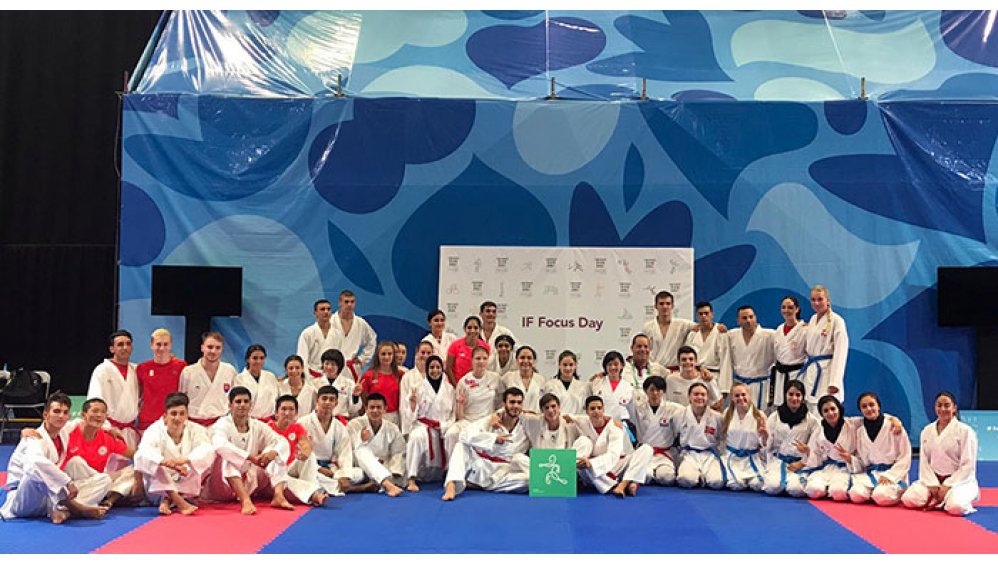
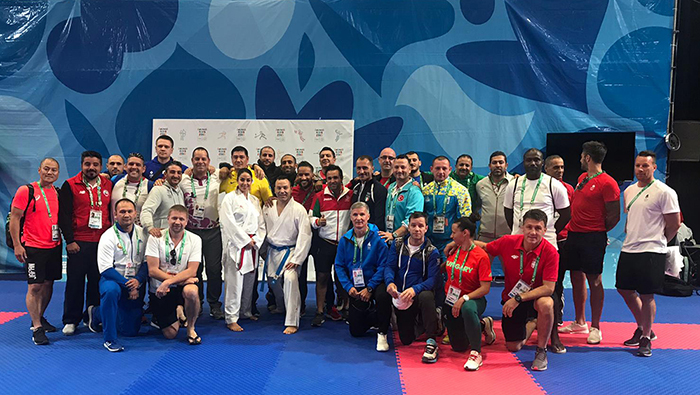
    Antes del debut del deporte en los Juegos Olímpicos de la Juventud, todos los atletas olímpicos de la Juventud de Karate, entrenadores, representantes de la WKF y los Roles Models de atleta para el deporte se reunieron en Buenos Aires para celebrar el Karate y los valores deportivos. La actividad se llevó a cabo en el pabellón de deportes de Europa Pabellón, donde la competencia de Karate se llevará a cabo del 17 al 18 de octubre.

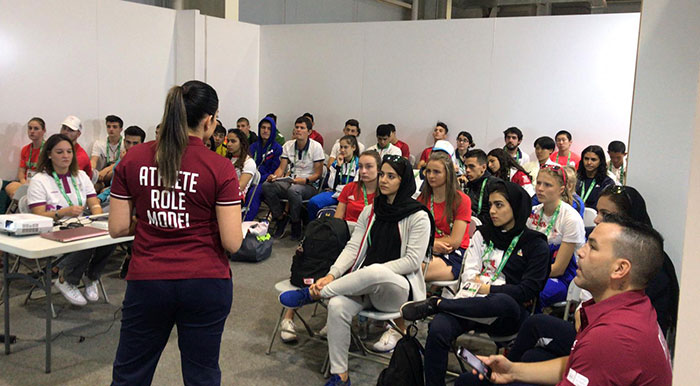
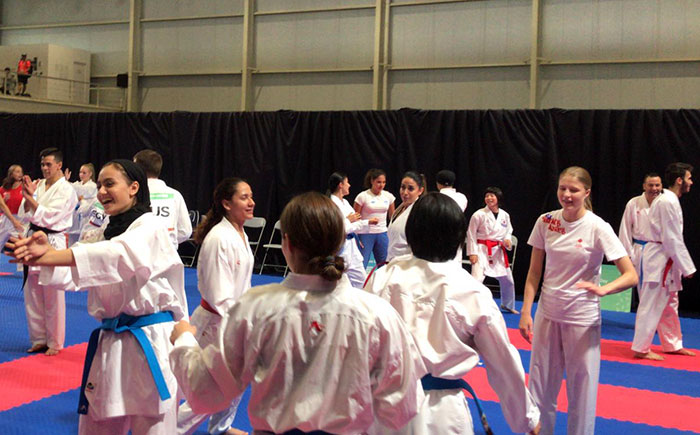
    Los Roles Models de atleta de Karate, Ivan Leal y Nassim Varasteh, llevaron a cabo la actividad que se centró en promover la interacción entre los jóvenes atletas. El presidente de la Comisión de Atletas de la WKF, Davide Benetello, supervisó la actividad en la que los nuevos atletas olímpicos juveniles se prepararon para el debut de este deporte en Buenos Aires.


    YOUNG KARATEKAS TAKE CENTER STAGE AT FOCUS DAY ACTIVITY IN BUENOS AIRES


    The World Karate Federation in collaboration with the International Olympic Committee and the Organising Committee of the 2018 Youth Olympic Games celebrated Karate’s Focus Day activity in Buenos Aires.  

    Ahead of the debut of the sport in the Youth Olympic Games, all Karate’s Youth Olympians, coaches, WKF representatives and the Athlete Role Models for the sport gathered in Buenos Aires for a celebration of Karate and sports values. The activity took place at Pabellon Europa sports hall, where the Karate competition will take place from October 17 and 18.

    Karate’s Athlete Role Models Ivan Leal and Nassim Varasteh conducted the activity that was focused on promoting the interaction among the young athletes. WKF Athletes Commission chairman Davide Benetello supervised the activity that saw the new Youth Olympians getting ready for the debut of the sport in Buenos Aires.

    “The Focus Day activity was a great way to engage with the athletes. I really enjoyed exchanging our experiences with them and it was a great opportunity to share the Olympic dream,” said Athlete Role Model Nassim Varasteh.

    “When you come to a great event like this, you realise the humility and respect of all the athletes here. You understand that we all are part of something much bigger, you understand that we all share the courage, discipline, hard work and sacrifice that represent the Olympic dream,” added Varasteh.

    “We definitively showcased the true spirit of our sport. In a real familiar atmosphere, we showed how important values such as companionship, respect and honour are in our sport,” said Athlete Role Model Ivan Leal.

    “I felt like a kid. I felt like if I was one of the young athletes here. I am so thrilled for the opportunity of living this experience that I am enjoying each minute to the maximum. For me, the Focus Day was truly memorable,” added the Spanish legend.

    “Focus Day was a great experience for the athletes. For one hour, the athletes had the chance to take their minds away from the important and historic moment for the sport that is about to occur here. Also, we saw mixed teams, from different genders and countries interacting together, and this is very important for me as chairman of the Athletes Commission. We saw that the Olympic spirit was involved in this activity; we could also see that the spirit of these Games is quite different from the senior ones because here, everyone is part of a big family,” said Davide Benetello.

    Fuente: WKF